

Respiratory Protection & Industrial Respirators
Shop disposable and reusable respirators, PAPR systems, cartridges, filters, fit-test supplies, and gas monitors. Choose an equipment category to compare models and compatible components.
Shop disposable and reusable respirators, PAPR systems, cartridges, filters, fit-test supplies, and gas monitors. Choose an equipment category to compare models and compatible components.
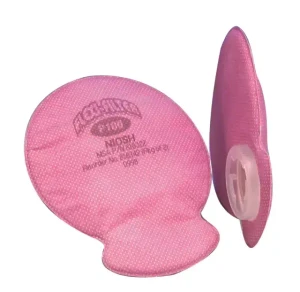

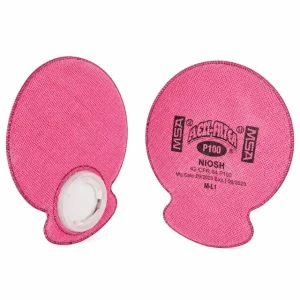


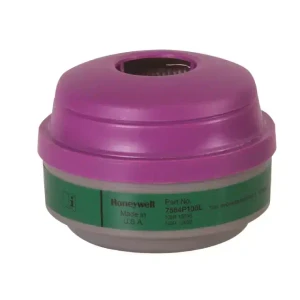

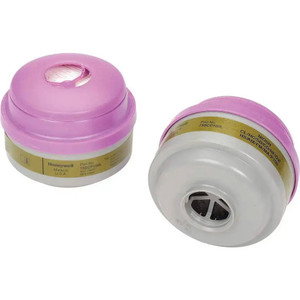

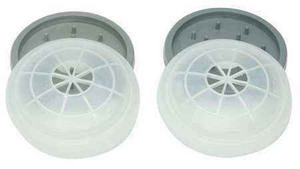
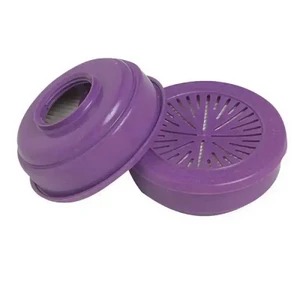
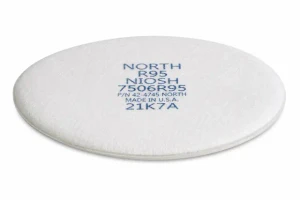
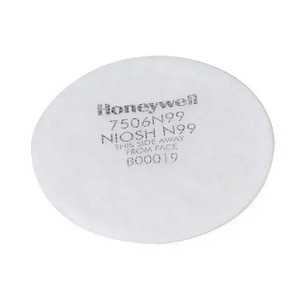

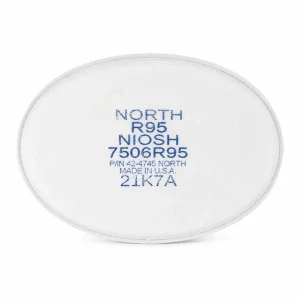
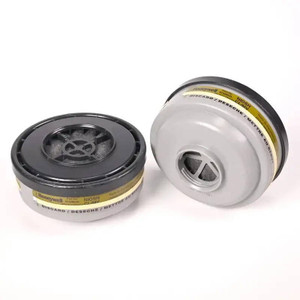


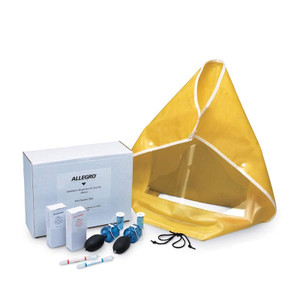


Respirator selection starts with the workplace hazard, not the product name. Buyers should identify the contaminant, concentration, physical state, oil exposure, oxygen level, required assigned protection factor, task conditions, and other PPE before choosing a respirator system.
Choose a NIOSH Approved respirator that is appropriate for the identified hazard and exposure level, then confirm the facepiece, filter, cartridge, canister, adapter, and replacement parts are approved as one compatible configuration. When respirators are required, OSHA 29 CFR 1910.134 requires a written respiratory protection program that includes selection, medical evaluation, fit testing for tight-fitting respirators, training, use, inspection, maintenance, and program evaluation.
Before requesting a quote or issuing a purchase order, confirm the information that controls selection, compatibility, inventory, and ongoing program cost.
Air-purifying respirators do not supply breathing air and must not be used in oxygen-deficient or IDLH atmospheres unless the specific use is permitted by the applicable standard, approval, and respiratory protection program. Never substitute a cartridge, filter, adapter, or facepiece based only on appearance. Follow the employer's hazard assessment, OSHA requirements, NIOSH approval information, and the manufacturer's current user instructions.
Use ASA's half-mask vs. full-face respirator guide to compare coverage and program considerations. Review the respirator fit-testing guide for purchasing and workforce planning. For chemical exposures, read which respirator is used for chemical fumes, then confirm the final selection through the employer's qualified respiratory protection program administrator.
Primary compliance and selection references include the OSHA Respiratory Protection Standard and NIOSH respirator selection and use guidance.
No. A NIOSH Approved N95 is a tight-fitting filtering facepiece respirator designed to filter at least 95% of airborne particles under its approval conditions. General-use and surgical face masks have different functions and performance requirements. Buyers should verify the exact product classification and intended use.
No. N95 filtering facepiece respirators protect against particles, not gases or vapors. Gas and vapor hazards require an appropriately selected and approved respirator configuration based on the specific contaminant and exposure conditions.
No. Components must be approved for the specific respirator system. Match the manufacturer, facepiece model, connection type, approval configuration, and hazard. Do not mix components unless the manufacturer's approval and instructions explicitly permit the configuration.
When workplace respirator use is required, OSHA requires fit testing for tight-fitting facepieces before initial use, when a different facepiece make, model, style, or size is used, and at least annually thereafter. Loose-fitting PAPR hoods or helmets do not rely on a tight face seal and generally do not require fit testing.
Provide the hazard or intended application, required protection factor, preferred manufacturer and model, facepiece sizes, approved cartridge or filter configuration, quantity, unit-of-sale requirements, delivery location, deadline, and recurring-order needs. ASA, LLC can help organize product and availability information, but final workplace selection remains the employer's responsibility.
Contact ASA, LLC for formal quotes, case quantities, recurring respirator orders, compatible replacement components, and sourcing support for commercial, industrial, healthcare, institutional, and government buyers.