



Cold Weather Work Boots: Protection for Freezing Temperatures
ComfortSafe cold weather work boots are listed with insulated construction, leather uppers, rubber bottoms, and a plain toe for winter tasks and refrigerated facilities. ASA SKU S758PT: sizes 7–13; sold as one pair. Confirm the supplied model and documentation against workplace requirements before ordering. The heading’s protection language is not a temperature guarantee.
Choose these insulated work boots where a regular toe is acceptable and the supplied model suits the temperature, exposure duration, activity, and floor conditions. Insulation alone does not establish a safe working temperature, waterproof performance, static-control rating, or protective toe classification.
Quick Buying Details
Key Features
- Insulated footwear construction.
- Regular-toe design.
- Sizes for individual selection.
- Leather upper and rubber bottom.
Common Uses and Applications
- Refrigerated warehouse support work.
- Cold-storage tasks after assessment.
- Winter facility maintenance.
- Work permitting non-safety toes.
Cold Exposure and Fit
Assess how long workers remain in the cold, whether they stand or move, and whether floors or footwear become wet. Match insulation to the task rather than relying on a freezer label. Confirm waterproof construction when moisture exposure requires it.
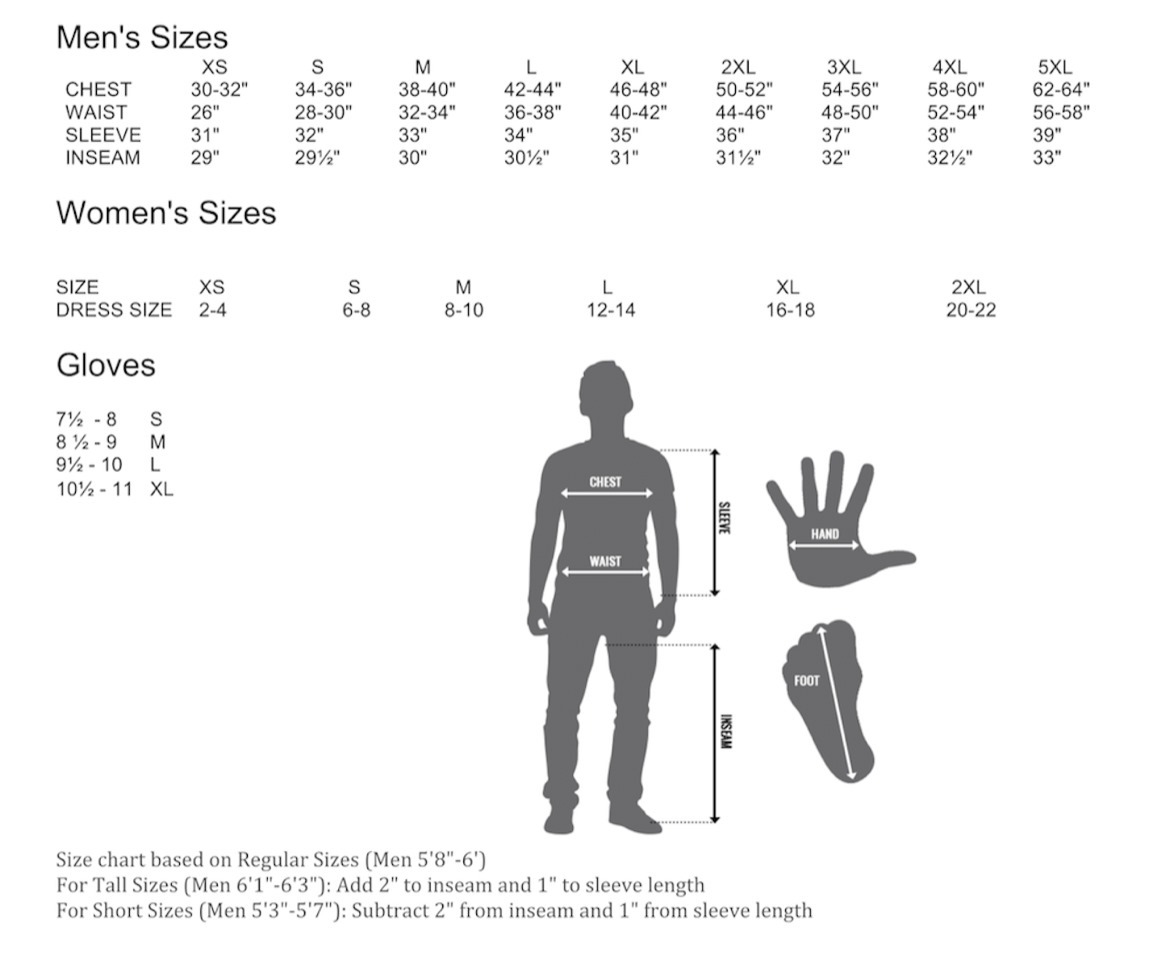
Try the boots with work socks. Allow toe movement without heel slip or pressure. Socks should not make the fit tight. Check comfort while walking, bending, and operating equipment.
OSHA’s Cold Stress Guide recommends suitable insulated footwear, staying dry, and carrying spare clothing. Boots are one part of cold-stress prevention; follow workplace warming schedules, training, and exposure controls.
OSHA Foot Protection
OSHA 1910.136 requires protective footwear for specified foot hazards. These regular-toe boots are not a substitute for rated safety footwear where impact or compression protection is required. No electrical-hazard, puncture-resistant, or ESD performance is established for this unconfirmed supplier model.
Inspect uppers, lining, soles, and tread before use. Remove damaged footwear from service. Follow manufacturer cleaning and drying instructions, and address slippery floors through housekeeping and site controls. No outsole guarantees traction on ice.
For employees moving between warm rooms and refrigerated areas, check for damp socks and condensation during the shift. Reassess footwear when duties, exposure times, or protective equipment change at the facility.
Before Repeat Orders
Record the supplied manufacturer, model, size, and markings. If a task requires a specific temperature rating, insulation brand, waterproofing, or safety performance, confirm those requirements per order. Compare Georgia Boot G109 insulated work boots when a named model is needed; evaluate its separate limitations.
FAQ
- Are these safety-toe boots? No. The listing specifies a regular toe.
- Is −50°F verified? No matching current manufacturer document establishes that rating.
- Is 3M Thinsulate guaranteed? Confirm the insulation in the supplied model.
- Is the liner removable? ASA lists a removable liner; confirm the supplied configuration.
- Is a manufacturer PDF available? A matching sheet requires the supplied manufacturer and model.
- How are they sold? One pair in the selected size.
-
Outstanding Boots
With a thick pair of wool socks, keeps my feet nice & toasty in a -20 degree freezer. Comfortable & well insulated. Excellent boots
-
PERFECT FOR FREEZER WORK
I wear a pair of thin cotton socks with a thick pair of wool socks over them. My feet & especially my toes stay nice and toasty when I'm doing my -20 freezer work. Thanks Fred for a great boot.


