

Class 4 Rubber Insulating Gloves for Qualified High-Voltage Work
Ironwear 4790-BR Class 4 electrical insulating rubber gloves provide primary hand insulation for qualified electrical workers operating under an employer-approved electrical safety program. These black/red, 16-inch straight-cuff gloves meet ASTM D120 and have a maximum use voltage of 36,000 V AC.
The gloves are Type I and are not ozone-resistant. Select the required numeric size from 8 through 11, then verify the glove markings, electrical test date, condition, voltage exposure, compatible leather protector, and workplace procedures before use.
Quick Buying Details
Verified Product Features
- Class 4 rating with a 36,000 V AC maximum use voltage
- ASTM D120 rubber insulating glove construction
- Type I material that is not ozone-resistant
- 16-inch overall length with a straight cuff
- Black/red 100% rubber construction
- Numeric sizes 8 through 11 for wearer-specific selection
Common Qualified-Worker Applications
- Utility transmission and distribution programs
- Industrial electrical maintenance
- Electrical contractor PPE programs
- Facility and plant electrical departments
- Municipal electrical operations
- Tasks where the approved hazard assessment specifies Class 4 rubber insulating gloves
Electrical Safety, Testing and Protector Selection
Only qualified workers following an employer-approved electrical safety program should use these gloves. De-energize equipment whenever required and feasible. Never select the glove class from nominal system voltage alone or exceed the maximum use voltage marked on the glove.
Ironwear states that style 4790 normally ships with the factory test performed at production and without secondary testing. Before first issue, confirm the marked test date and arrange any required retesting. OSHA requires rubber insulating gloves to be tested before first issue and every six months after first issue, with additional testing when insulating value is suspect, after repair, and after use without protectors. Gloves tested but not yet issued cannot be placed into service unless tested within the previous 12 months.
Inspect and air-test the gloves before each day's use and after any incident that could cause damage. Remove gloves with cuts, punctures, tears, ozone damage, embedded objects, texture changes, or other defects from service. Store them without folding and protect them from light, temperature extremes, excessive humidity, ozone, oils, chemicals, and other damaging conditions.
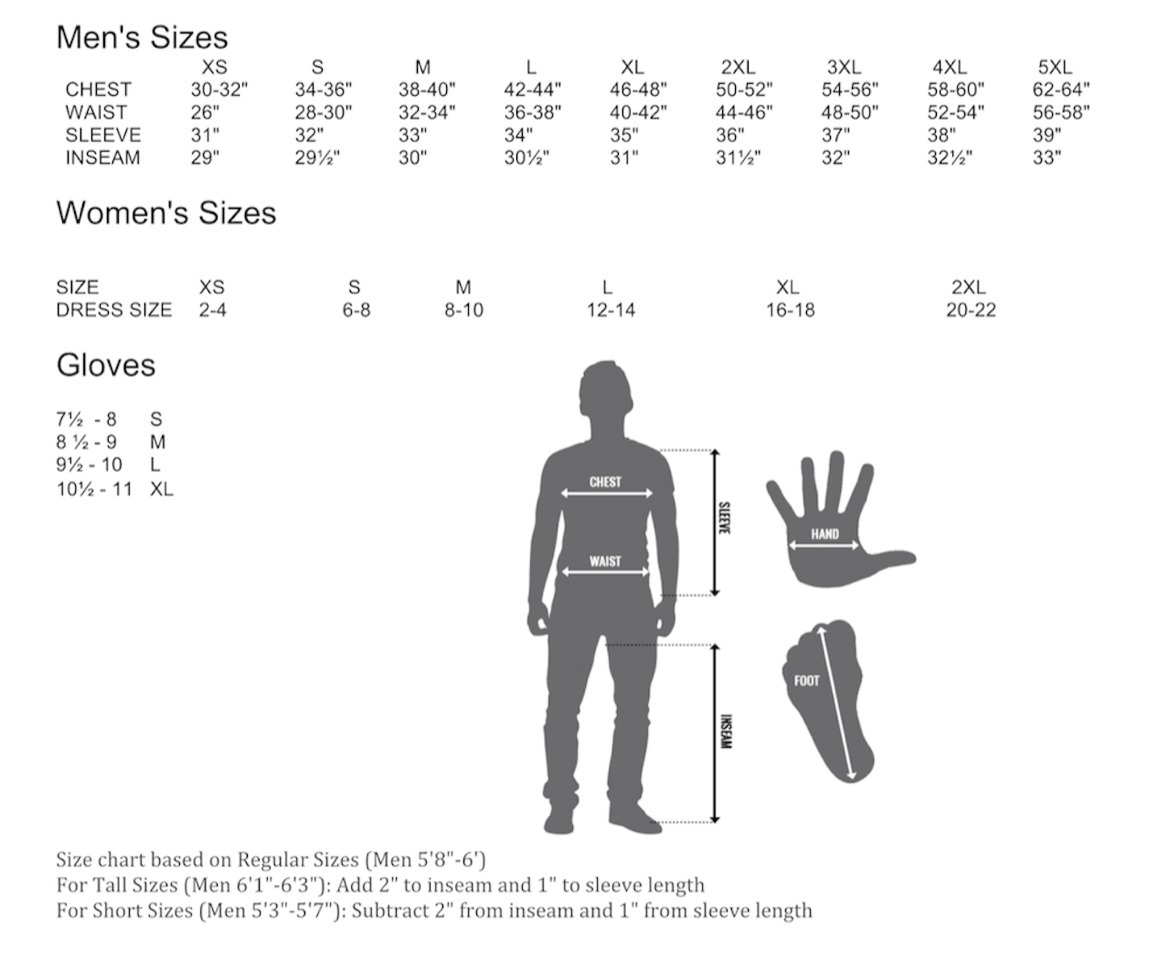
Wear correctly fitted leather protectors over Class 4 rubber gloves. ASTM F496 guidance requires at least 4 inches between the top of a Class 4 protector cuff and the bead of the rubber glove. A 16-inch Class 4 glove therefore must not be paired with a 15-inch leather protector. Confirm the complete glove system with the manufacturer or a qualified electrical-safety professional before use.
OSHA Electrical Hand Protection Requirements
- Maximum use voltage — 29 CFR 1910.137(c)(2)(i), Table I-4: Class 4 equipment has a maximum AC use voltage of 36,000 V. A proof-test voltage is not a working-voltage rating.
- Inspection and air testing — 29 CFR 1910.137(c)(2)(ii): Inspect before each day's use and after suspected damage; include an air test for insulating gloves.
- Protector-glove requirement — 29 CFR 1910.137(c)(2)(vii): Wear protectors over insulating gloves. Any exception must satisfy the specific conditions in the standard.
- Electrical testing — 29 CFR 1910.137(c)(2)(viii), Table I-5: Follow the required electrical testing schedule and additional testing triggers.
- Construction requirements — 29 CFR 1926.97: Consult the corresponding requirements for construction work.
Manufacturer Specification Sheet
View Ironwear 4790-BR Class 4 Rubber Insulating Glove Specification Sheet (PDF)
Official Ironwear specifications for the 16-inch black/red Class 4, Type I rubber gloves, including ASTM D120, sizes 8–11, measurements, and packaging.
FAQ - Ironwear 4790-BR Class 4 Electrical Insulating Gloves
What is the maximum use voltage for these Class 4 gloves?
The maximum use voltage is 36,000 V AC. The employer's hazard assessment and approved work practices must determine the correct glove class for the actual exposure.
What does Type I mean?
Type I means the rubber is not ozone-resistant. Store and inspect the gloves according to the manufacturer's instructions and the applicable electrical safety program.
Do these gloves arrive with a current secondary electrical test?
Not by default. Ironwear states that the gloves normally ship with only the factory test performed at production. Confirm the marked test date and arrange any required retesting before placing them into service.
How often must rubber insulating gloves be electrically tested?
OSHA requires testing before first issue and every six months after first issue. Testing is also required when insulating value is suspect, after repair, and after use without protectors under an allowed exception.
Are leather protector gloves required?
Yes. OSHA requires protector gloves over Class 4 rubber insulating gloves. The leather protectors help prevent mechanical damage; they do not provide electrical insulation by themselves.
Can a 15-inch leather protector be used over this 16-inch Class 4 glove?
No. Class 4 glove systems require at least 4 inches between the protector cuff and the bead of the rubber insulating glove. A 15-inch protector leaves insufficient separation on a 16-inch rubber glove.
What sizes are available?
Ironwear lists numeric sizes 8, 9, 10, and 11. Select the size that fits the wearer and the verified compatible protector system.
What should be checked before each use?
Check the class, size, test-date markings, and complete glove surface, then perform an air test. Do not use gloves with cuts, punctures, tears, ozone damage, embedded material, swelling, hardening, stickiness, loss of elasticity, or other defects.