

Level C PVC Chemical Suit – Chem Shield 96, ASTM F903 Tested, Acid & Alkali Resistant
The H-3O PVC chemical suit is a Level C chemical-resistant coverall designed for industrial workers, chemical plant teams, hazmat support crews, petrochemical operations, refinery maintenance, environmental remediation teams, and safety managers who need liquid splash protection against selected acids, alkalis, oils, fuels, and industrial chemicals.
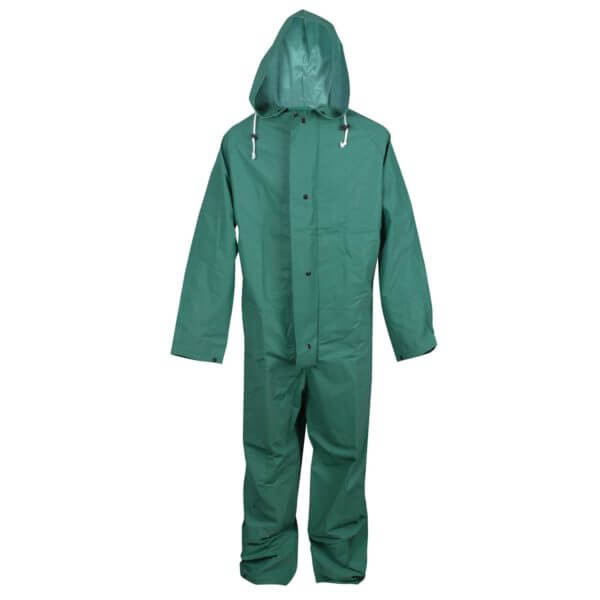
Made from .42 mm 3-ply green PVC/nylon/PVC material, this chemical protective suit helps provide durable coverage in demanding liquid-contact environments. The coverall-style design includes an attached hood, zipper front closure with storm flap, wide-leg construction, elastic wrists and ankles, and chemically sealed/taped seams to help reduce liquid entry points during compatible splash, transfer, cleanup, and decontamination work.
This PVC acid chemical suit is listed with ASTM F903 liquid penetration resistance and ASTM D6413 flame-resistance testing. It is intended for known chemical hazards where the chemical, concentration, exposure time, temperature, splash risk, and respiratory requirements have been evaluated before use.
Bulk Ordering & Procurement Support
Need PVC chemical suits for a chemical plant, refinery, utility, municipal hazmat team, food processing sanitation program, environmental contractor, industrial maintenance crew, or recurring PPE order? ASA Supplies supports business, government, municipal, contractor, facility, petrochemical, environmental, and industrial purchasing teams with bulk quote support, volume pricing, purchase orders, and product sourcing assistance.
Safety Note
This is not a vapor-tight Level A suit or an SCBA-based Level B suit. Level C protection should only be used when the chemical hazard is known, airborne concentrations are measured and not IDLH, oxygen levels are adequate, and an appropriate APR/PAPR respirator is selected under a respiratory protection program. Gloves, boots, respiratory protection, eye/face protection, and tape-out procedures must be selected separately. Always review the SDS, manufacturer chemical resistance chart, exposure time, concentration, temperature, and your industrial hygienist or EHS guidance before use.
Quick Buying Details
- SKU: S45G
- Product Type: PVC chemical suit / chemical-resistant coverall
- Protection Level: Level C, when used as part of a complete Level C ensemble
- Material: .42 mm 3-ply green PVC/nylon/PVC
- Closure: Zipper front with storm flap
- Hood: Attached hood
- Seams: Chemically sealed/taped
- Wrist/Ankle Closure: Elastic wrists and ankles
- Leg Design: Wide leg construction
- Testing Listed: ASTM F903 liquid penetration resistance
- Flame Resistance Listed: ASTM D6413
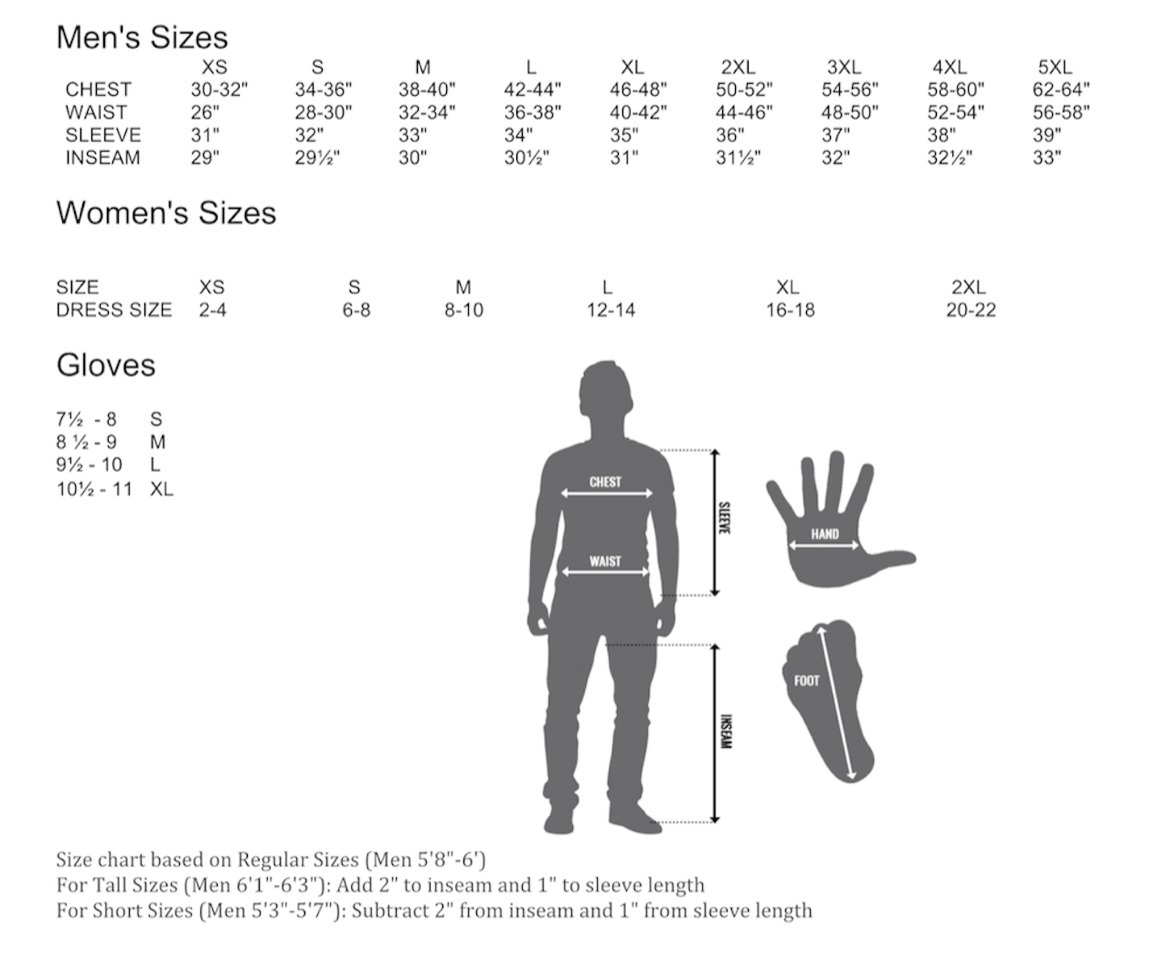
- Sizes: M, L, XL, 2XL, 3XL, 4XL
- Important Note: Gloves, boots, and respirator sold separately
Key Features
- Level C PVC chemical suit for compatible liquid splash protection
- .42 mm 3-ply PVC/nylon/PVC material supports durability in industrial environments
- ASTM F903 listed for liquid penetration resistance
- ASTM D6413 listed for flame-resistance testing
- Attached hood helps improve upper-body coverage
- Zipper front closure with storm flap helps reduce liquid entry at the front
- Chemically sealed/taped seams support liquid barrier performance
- Elastic wrists and ankles help interface with compatible gloves and boots
- Wide leg design supports boot overlap and easier movement
- Useful for selected acids, alkalis, oils, fuels, and chemical cleanup applications
ASTM F903 Chemical Penetration / Compatibility Results
The following chemical resistance results are listed for this PVC chemical suit. Always confirm chemical compatibility against the manufacturer’s current chemical resistance chart, SDS, concentration, exposure time, temperature, and your facility’s EHS requirements before use.
- Sulfuric Acid, 98%: 150 minutes
- Nitric Acid, 70%: 420 minutes
- Acetonitrile: Pass
- 1,2-Dichloroethane: Fail
- Ethanolamine: Pass
- Ethyl Acrylate: Pass
- Formaldehyde, 37%: Pass
- Hexanes: Pass
- Hydrochloric Acid, 37%: Pass
- Hydrofluoric Acid, 48%: Pass
- Kerosene: Pass
- Methyl Ethyl Ketone: Fail
- Methylene Chloride: Fail
- Mineral Spirits / Naphtha: Pass
- Sodium Hydroxide, 70%: Pass
- Sodium Hypochlorite: Pass
Do not use this suit for chemicals listed as Fail, unknown chemicals, untested chemicals, vapor hazards requiring encapsulation, IDLH atmospheres, oxygen-deficient areas, or conditions outside the tested concentration and exposure assumptions.
Common Uses & Applications
- Chemical handling and transfer
- Acid and alkali processing
- Petrochemical and refinery maintenance
- Oil and gas facility work
- Hazmat response support
- Spill cleanup and containment
- Industrial cleaning and decontamination
- Waste management
- Environmental remediation
- Food processing sanitation where liquid-resistant PPE is required
- Offshore and energy sector operations
- Maintenance involving compatible solvents, fuels, and corrosive liquids
Buying Guide: PVC Chemical Suit vs. Disposable Coverall vs. Level A Suit
A PVC chemical suit is appropriate when workers need reusable or more durable liquid splash protection against compatible chemicals. It is stronger than many lightweight disposable coveralls for wet chemical handling, spill response support, and industrial cleanup tasks.
A disposable coverall is better for dry particulate, nuisance dirt, or lower-risk contamination where chemical splash protection is not the main hazard. A Level A vapor-tight suit is required when vapor, gas, unknown chemical, or highest-level skin and respiratory protection is needed. Do not substitute a Level C PVC suit for Level A or Level B conditions.
FAQ
What is this PVC chemical suit used for?
It is used for compatible liquid splash protection in chemical handling, spill cleanup, refinery maintenance, petrochemical work, industrial cleaning, and environmental remediation.
Is this a Level C chemical suit?
Yes. The product page describes it as a Level C suit. Level C use requires known chemicals, measured air concentrations, adequate oxygen, and the correct respirator and PPE ensemble.
Does this suit include gloves and boots?
No. Gloves, boots, and respirator must be selected separately based on the chemical hazard and workplace requirements.
What standards are listed for this suit?
The page lists ASTM F903 for liquid penetration resistance and ASTM D6413 for flame resistance.
Is this suit vapor-tight?
No. This is not a vapor-tight Level A suit. It should not be used for unknown atmospheres, oxygen-deficient environments, IDLH conditions, or vapor hazards requiring encapsulation.
Can this suit be used with acids?
It may be used with compatible acids listed in the chemical resistance results, such as sulfuric acid, nitric acid, hydrochloric acid, and hydrofluoric acid at the listed concentrations. Always confirm compatibility before use.