

Acid Jacket and Bib Pants
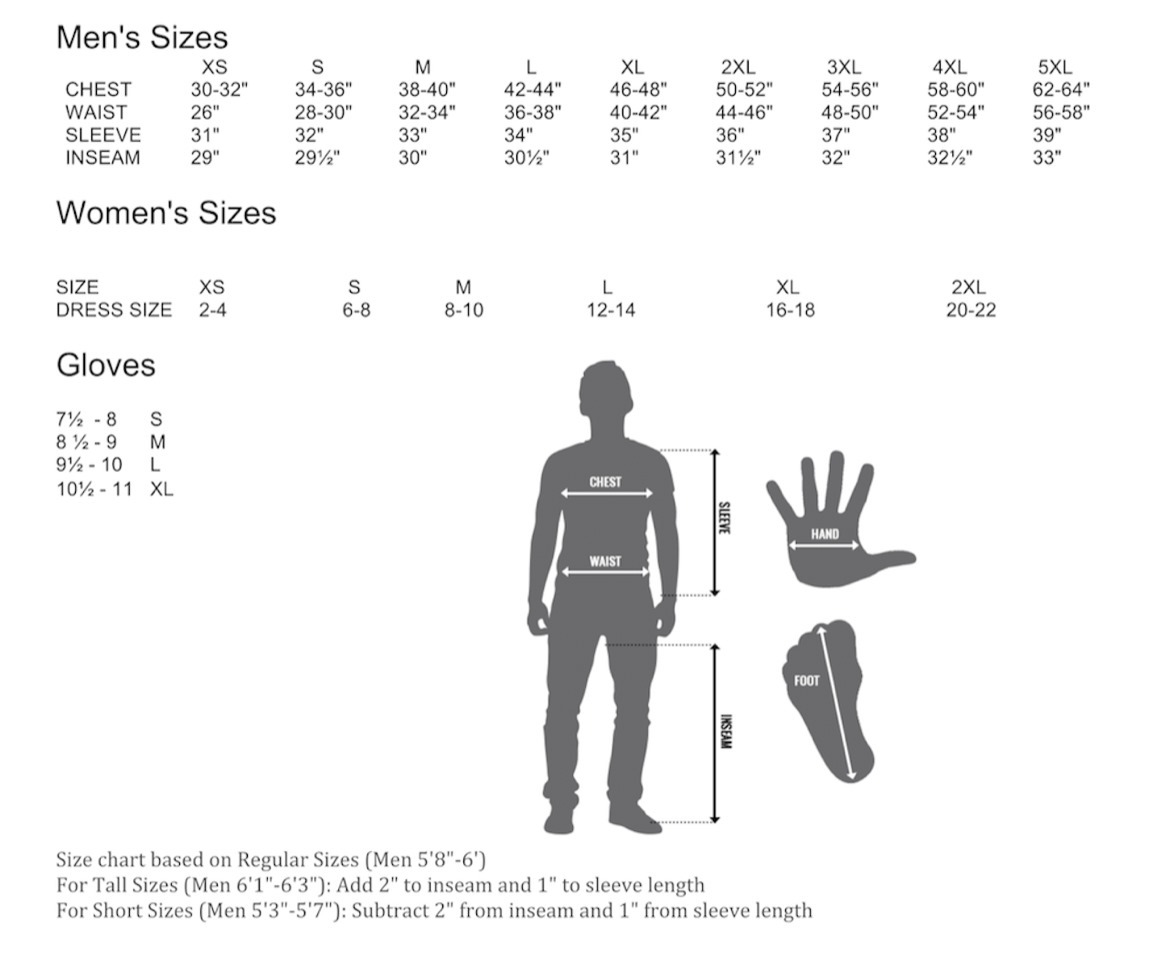
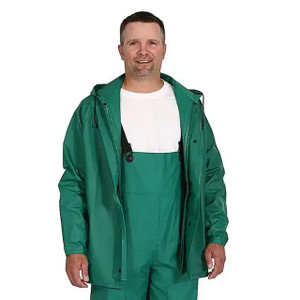
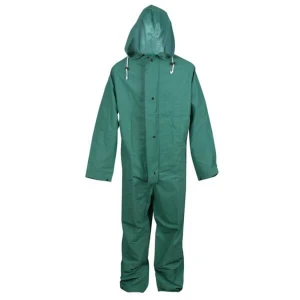
The H3O acid rain jacket and pants combine a hooded jacket with suspender-style bib pants for industrial work involving potential chemical splash. ASA SKU S452G uses PVC-coated reinforced fabric and is offered in sizes M through 4XL. Gloves and boots are sold separately; select compatible protection for the complete task.
The attached drawstring hood, storm-flap front, sleeve closures, and bib construction help manage garment openings and coverage. These features do not make the suit vapor-tight or guarantee that chemicals cannot enter. Check chemical compatibility, seams, closures, and garment overlap before use.
Quick Buying Details
Key Features
- Two-piece design for upper- and lower-body coverage.
- Drawstring hood and storm flap at the jacket front.
- Sleeve closures and suspenders for fit adjustment.
- Reusable only when condition and decontamination permit.
Common Uses and Applications
- Chemical processing and industrial maintenance.
- Manufacturing tasks with assessed splash hazards.
- Wastewater treatment and facility operations.
- Hazmat-related work under a task-specific PPE plan.
Construction and Fit
Supplier construction varies. The earlier listing’s 0.43 mm PVC/nylon/PVC specification does not establish a common specification for every supplied garment. Confirm thickness, reinforcing fabric, fastener type, and closure details when these are purchasing requirements. Nonconductive fasteners do not make the suit electrical protective equipment.
Allow room for underlying clothing and movement. Check hood fit and overlap at the jacket, bib, glove, and boot interfaces while reaching and bending. Select the complete ensemble through the workplace hazard assessment.
ASTM Standards and Secondary Flame Resistance
ASTM F739 measures permeation through protective clothing materials under continuous contact. ASA’s supplier information cites the F739-07 edition for the acid results below. The linked ASTM page explains the method; it does not establish testing to a newer edition for this suit.
ASTM D6413 is a vertical flame test that measures afterflame, afterglow, and char length under controlled conditions. Supplier-listed secondary flame resistance does not establish protection against chemical fires, flash fire, arc flash, or a particular burn severity. This garment is not a substitute for primary flame-resistant clothing.
Chemical Information and Reported Breakthrough Times
ASA supplier information reports 150 minutes for 98% sulfuric acid and 420 minutes for 70% nitric acid. Confirm the applicable report for the garment supplied. These laboratory results are not safe exposure durations, replacement schedules, or whole-suit guarantees. Temperature, concentration, mixtures, damage, and exposure conditions affect selection.
The chemical list below preserves the existing compatibility topics. Entries without a verified applicable result require confirmation; they must not be treated as an approval to handle that chemical.
| Chemical | Concentration | Result / selection status |
|---|---|---|
| Sulfuric acid | 98% | 150 minutes reported; confirm supplied garment |
| Nitric acid | 70% | 420 minutes reported; confirm supplied garment |
| Hydrochloric acid | 37% | Applicable report required |
| Hydrofluoric acid | 48% | Applicable report required |
| Sodium hydroxide | 70% | Applicable report required |
| Sodium hypochlorite | Not specified | Applicable report required |
| Ethanolamine | Not specified | Applicable report required |
| Mineral spirits | Not specified | Applicable report required |
| Kerosene | Not specified | Applicable report required |
| Hexanes | Not specified | Applicable report required |
| Styrene | Not specified | Conflicting prior information; suitability not established |
| 1,2-Dichloroethane | Not specified | Not recommended in ASA’s existing listing |
| Methyl ethyl ketone (MEK) | Not specified | Not recommended in ASA’s existing listing |
| Methylene chloride | Not specified | Not recommended in ASA’s existing listing |
| 1,1,1-Trichloroethane | Not specified | Not recommended in ASA’s existing listing |
OSHA Selection, Level C, and Reuse
OSHA 1910.132 requires hazard assessment, suitable PPE, fit, and training. Damaged or defective PPE must not be used. Inspect fabric, seams, closures, and suspenders before each use; follow the supplied garment’s cleaning and decontamination instructions. Reuse depends on exposure history and condition, not appearance alone.
OSHA 1910.120 Appendix B describes Level C as an ensemble used under defined conditions with suitable air-purifying respiratory protection. Jacket and pants alone are not a certified Level C system and provide no respiratory protection.
FAQ
- What chemicals can this suit be selected for? Use the exact chemical, concentration, and applicable garment report. The table is a review aid, not a universal compatibility approval.
- Is the suit flame resistant? Secondary flame-resistance information references ASTM D6413. It does not establish flash-fire or arc-flash protection.
- Which work environments are relevant? Chemical processing, manufacturing, industrial maintenance, wastewater treatment, and assessed hazmat-related tasks.
- How do the closures help? The hood, storm flap, sleeve closures, and bib overlap help manage openings. They do not guarantee a sealed barrier.
- Is the suit reusable? Only when inspection, exposure history, and the manufacturer’s decontamination instructions support reuse.
- Which sizes are offered? ASA currently offers M through 4XL. Check fit over the clothing worn for the task.
- Does it protect against every listed chemical? No. Confirm documented suitability; retain the listed exclusions and resolve the styrene conflict before selection.