

16-inch white PVC work boots for wet work areas
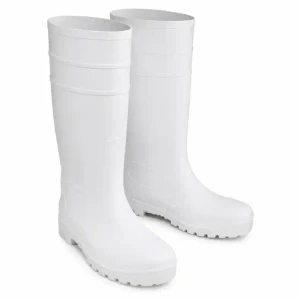
These white PVC work boots provide tall, waterproof coverage for wet work environments where a plain toe is appropriate. ASA lists the OnGuard Industries boots under SKU PB1111, with a nominal 16-inch height and seamless injection-molded construction. Pull-up and kick-off lugs help with putting the boots on and removing them during changes between work areas.
Key features
- PVC construction for water exposure.
- Tall shaft covers the lower leg.
- White exterior makes visible soil easier to notice.
- Pull-up and kick-off lugs aid handling.
- Cut-off band provides a designated height-adjustment point.
Applications
For assessed tasks where plain-toe footwear is permitted:
- Food processing work areas.
- Seafood handling operations.
- Commercial fishing and shrimping.
- Wet facility work without required protective-toe ratings.
Choose plain toe or protective toe
A plain toe does not provide a certified protective toe cap. Do not interpret the word “safety” in a product category as evidence of impact or compression protection. A supporting shank is also different from a puncture-resistant midsole.
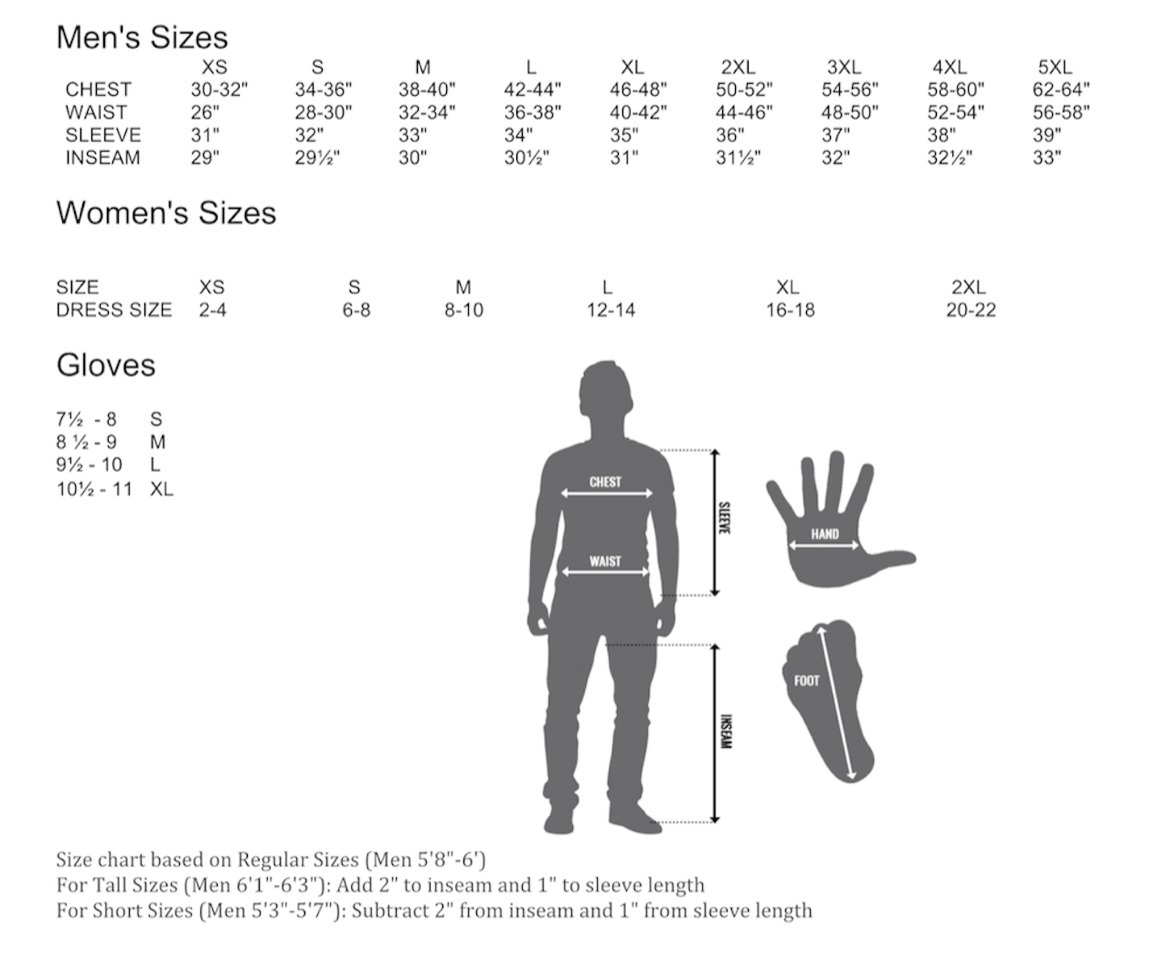
If your workplace requires toe protection, compare the white PVC steel toe boots and verify their current markings against the job requirements. Select footwear for the hazards present, including falling objects, sharp debris, chemicals, and electrical exposure.
Plan for fit and coverage
Choose from the sizes shown in ASA’s selector and check fit with the socks normally worn at work. Allow comfortable toe movement while avoiding excessive heel movement. Do not assume that a taller boot provides thermal insulation or that every worker will find the same size comfortable.
The listed cut-off band allows height adjustment, but shortening the shaft reduces coverage. Follow the instructions supplied with the boots before trimming. Keep liquids below the opening; a waterproof boot cannot keep water out if it enters over the top.
Traction and cleaning
Floor condition, contamination, tread wear, and walking practices all affect traction. No outsole guarantees that a wearer will not slip. Remove trapped debris and inspect soles regularly. Replace boots with cracks, leaks, damaged uppers, or worn tread that no longer meets the needs of your workplace. Follow the facility’s footwear cleaning procedure and confirm that cleaning agents are suitable for the boot material.
The white finish can support visual checks for dirt, but appearance alone does not establish sanitation. Footwear selection supports a facility’s hygiene procedures; purchasing white boots does not establish HACCP compliance.
The historical OnGuard manufacturer catalog describes the white PVC range. Confirm the manufacturer model on your boots before applying model-specific specifications.
White PVC boot FAQ
Are these boots made from rubber?
The listed material is PVC. “Rubber boots” is a common shopping term, but it does not identify this product’s material.