Industrial Rain Gear
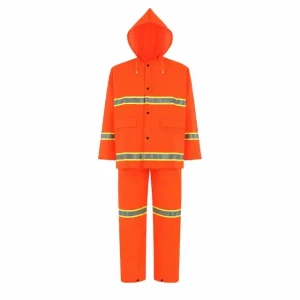
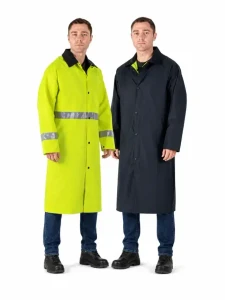
American Safety Associates, LLC, also known as ASA, LLC, supplies industrial rain gear and waterproof workwear for construction, utilities, public works, transportation, sanitation, facilities, security, emergency support, government agencies, and outdoor crews. Compare rain suits, rain coats, jackets, pants, bibs, ponchos, high-visibility rainwear, and specialized wet-weather garments.
Select work rainwear for the expected rainfall, duration, temperature, physical task, visibility environment, garment construction, fit, layering, and other hazards. Material, coating, seam design, closure, hood, cuffs, ventilation, and wear condition all affect how a garment performs in the field.
How should buyers choose industrial rain gear?
Start with the task and weather exposure, then verify the exact garment's material, waterproof or water-resistant claim, seam construction, closure coverage, ventilation, visibility rating, sizing, and limitations. Choose enough coverage for the work without restricting movement or interfering with hard hats, gloves, boots, fall protection, radios, or other required PPE. Weather rainwear does not automatically provide chemical, flame, arc-flash, or electrical protection.
Shop Industrial Rainwear by Product Type
Waterproof vs. Water-Resistant Workwear
Water-resistant garments are intended to resist limited moisture but may not prevent water entry during prolonged or pressurized exposure. Waterproof is a stronger product claim, but buyers should still verify the test method or manufacturer documentation, seam construction, closures, hood and cuff design, and intended conditions for the exact garment.
Material and Coating
PVC, polyurethane, coated polyester, nylon, and other constructions differ in flexibility, weight, durability, temperature behavior, and product-specific water performance.
Seams and Closures
Water can enter through unsealed seams, zippers, snaps, pockets, cuffs, neck openings, and garment interfaces even when the primary material resists water.
Breathability and Heat
Less-permeable rainwear can trap body heat and moisture. Evaluate ventilation, exertion, temperature, work-rest practices, and the full clothing system.
High-Visibility Rain Gear and ANSI/ISEA 107
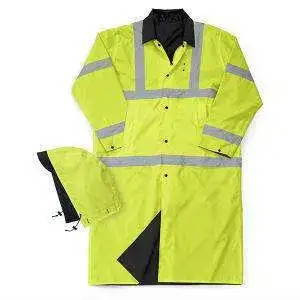
Fluorescent color or reflective tape does not by itself establish ANSI/ISEA 107 compliance. When high-visibility safety apparel is required, verify the label for the exact garment's ANSI/ISEA 107 edition, Type and Performance Class. Confirm that rainwear worn over a safety vest does not cover required background or retroreflective material.
Shop related high-visibility workwear and hi-vis safety jackets, then match the visible apparel system to the roadway, traffic, equipment, lighting, and employer requirements.
Rain Gear Buying Checks for EHS and Procurement Teams
- Exposure: Define rainfall intensity, duration, wind, spray direction, standing water, temperature, and whether the task is indoors, outdoors, or both.
- Garment configuration: Choose a jacket and pants, bib set, long coat, or poncho based on required coverage, movement, donning speed, and replacement needs.
- Construction: Confirm shell material, coating, fabric weight or thickness, sealed or welded seams, storm flaps, hood design, cuffs, and leg openings.
- Visibility: Verify the exact ANSI/ISEA 107 label when a Type and Performance Class are required; color and reflective trim alone are not enough.
- Fit and layering: Allow room for uniforms, insulated clothing, and movement without creating excessive loose material or interfering with equipment.
- PPE compatibility: Check interfaces with hard hats, gloves, rubber work boots, respirators, hearing protection, and fall-protection harnesses.
- Use and care: Follow manufacturer instructions for cleaning, drying, storage, inspection, repair, service life, and removal from use.
- Program quantities: Record quantity by size, color, style, unit of sale, replacement stock, vehicle or facility allocation, and delivery location.
Weather protection is not specialized hazard protection
Waterproof or water-resistant rain gear is not automatically chemical resistant, flame resistant, arc rated, electrically protective, or ANSI high visibility. For chemical splash, review the exact chemical, concentration, contact conditions, material, seams, closures, and test data. For electrical or flame hazards, select properly labeled FR or arc-rated clothing for the employer's hazard assessment.
Rainwear for Workplaces and Emergency Programs
Construction PPE programs may prioritize movement, abrasion resistance, visibility, hood and hard-hat compatibility, and sealed storage in job boxes. Utility, public-works, and roadside crews may need labeled high-visibility rainwear plus access to radios, tools, and fall-protection equipment. Warehouse and logistics programs may need lighter rainwear for yard, loading, and indoor-outdoor transitions.
For chemical operations, use the chemical rain-suit buyer review and chemical-processing PPE guidance to separate ordinary weather protection from documented chemical-protective clothing. Construction buyers can also review rain gear for construction workers.
Bulk Rain Gear for Crews and Facilities
ASA, LLC supports contractors, utilities, municipalities, transportation departments, sanitation crews, schools, institutions, government agencies, emergency programs, and multi-site facilities with formal quotes, volume pricing, purchase-order support, coordinated size runs, case quantities, recurring replenishment, and direct-to-site delivery.
For a useful quote, provide the task and environment, garment type, required water-performance claim or test, visibility Type and Class if applicable, specialized hazard ratings, material or weight preference, sizes and quantities, delivery locations, deadline, and purchase-order or contract requirements.
Industrial Rain Gear FAQ
Is all industrial rain gear waterproof?
No. Some garments are described as water resistant, while others carry a waterproof claim supported by product-specific construction or testing. Verify the exact model's documentation, seams, closures, and limitations.
Does reflective rain gear meet ANSI/ISEA 107?
Not necessarily. Reflective trim and bright color alone do not prove compliance. Check the garment label and manufacturer documentation for the applicable ANSI/ISEA 107 edition, Type, and Performance Class.
Can ordinary rain gear be used for chemical splash?
Do not assume it can. Chemical protection requires compatibility and performance data for the exact chemical, concentration, temperature, exposure, garment material, seams, and closures.
Should workers size up when wearing rain gear?
Rainwear may need room for uniforms or insulated layers, but excessive looseness can interfere with movement and equipment. Use the manufacturer's size chart and evaluate the complete clothing system for the task.
What information is needed for a bulk rain-gear quote?
Provide the application, expected weather, garment style, required visibility or specialized rating, material preference, sizes and quantities, unit of sale, delivery locations, deadline, and purchase-order or contract details.
Primary guidance: Review OSHA 29 CFR 1910.132, OSHA's protective-clothing selection guidance, and the current ISEA standards list.
Need rain gear for a crew, facility, or contract?
Contact ASA, LLC for industrial rainwear sourcing by task, garment style, material, construction, visibility, size run, case quantity, and delivery schedule.