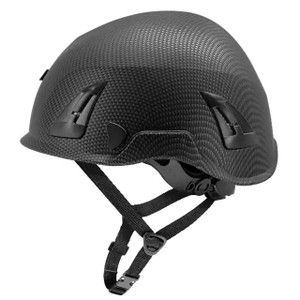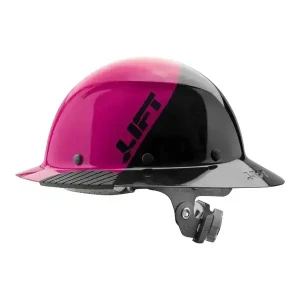
Hard Hats & Safety Helmets
American Safety Associates, LLC, also known as ASA, LLC, supplies hard hats and safety helmets for construction, utilities, manufacturing, oil and gas, warehousing, maintenance, government agencies, and industrial PPE programs. Compare Type I and Type II head protection, Class C, G, and E electrical classifications, cap-style and full-brim shells, suspensions, chin straps, and compatible accessories.
Choose industrial head protection from the workplace hazard assessment and the product label. Impact Type and electrical Class describe different performance characteristics, so buyers must verify both ratings for the exact model rather than judging protection by shell style, material, price, or whether a product is marketed as a hard hat or safety helmet.
What is the difference between Type I and Type II head protection?
Type I industrial helmets are evaluated for impact protection at the top of the head. Type II helmets include top protection plus performance requirements for impacts from the front, back, and sides. If the hazard assessment identifies foreseeable lateral impacts, select appropriately labeled Type II protection. Type is separate from electrical Class C, G, or E.
Shop Hard Hats by Style and Application
Understand Electrical Classes C, G, and E
Class C
Class C head protection is not intended to protect against contact with electrical hazards. Do not use Class C or vented models where electrical protection is required.
Class G
Class G, or General, head protection is proof-tested at 2,200 volts. This laboratory proof test is not a safe exposure level or a substitute for electrical hazard controls.
Class E
Class E, or Electrical, head protection is proof-tested at 20,000 volts. Confirm the exact product label, condition, and employer requirements for the task.
Type and Class Together
A helmet may be Type I or Type II and also Class C, G, or E. Specify both when the workplace requires a particular impact direction and electrical classification.
Hard Hat or Safety Helmet: Read the Label
The terms "hard hat" and "safety helmet" describe product styles in the market, but the name or appearance alone does not establish protection. Read the permanent label for the applicable ANSI/ISEA Z89.1 designation, Type, electrical Class, manufacturer, model, date information, optional markings, and use limitations.
OSHA's 2024 workplace bulletin advises employers to choose head protection through a job hazard analysis. It recommends considering Type II helmets with chin straps for construction conditions involving falling debris, equipment impacts, awkward positions, or slip and fall hazards, and chin straps for work at heights. The correct choice remains specific to the employer's hazards and program.
Head Protection Buying Checks for EHS and Procurement Teams
- Impact direction: Determine whether hazards are limited to top impact or include foreseeable front, back, and side impacts.
- Electrical exposure: Specify Class G or E when applicable. Do not use vented or Class C head protection where electrical protection is required.
- Retention: Consider approved chin straps for work at heights, awkward positions, frequent bending, wind, slips, and fall potential.
- Fit and suspension: Confirm size range, adjustment system, suspension points, clearance, comfort, and secure fit for the worker and task.
- Other PPE: Verify compatibility with safety glasses and eye protection, hearing protection, face shields, respirators, lights, and communication equipment.
- Approved accessories: Use only accessories and mounting systems permitted by the head-protection manufacturer for that model.
- Inspection and replacement: Follow manufacturer instructions for inspection, cleaning, storage, suspension replacement, and removal from service after impact, damage, or deterioration.
- Procurement details: Record exact model, Type, Class, suspension, color, optional markings, logo needs, quantity, and unit of sale.
Bump caps are not industrial hard hats
Bump caps are intended for lower-severity bumps against stationary objects when the hazard assessment does not require an industrial protective helmet. They are not substitutes for ANSI/ISEA Z89.1 head protection where falling or flying objects, severe impact, penetration, or electrical hazards are present. Verify the bump cap's applicable label and standard.
Head Protection for Industrial Workplaces
Construction PPE programs may need Type II protection and retention features based on debris, equipment, working position, and fall hazards. Manufacturing PPE programs should evaluate overhead objects, machinery, fixed structures, electrical exposure, heat, and accessory needs. Oil and gas PPE programs may involve multiple impact, chemical, weather, communication, and electrical considerations.
For roadway, utility, and outdoor crews, pair properly selected head protection with task-appropriate high-visibility safety vests and other required PPE. Each item must be selected for its own hazard and checked for compatibility as a system.
Bulk and Custom Logo Hard Hats
ASA, LLC supports contractors, utilities, manufacturers, municipalities, schools, institutions, government agencies, and multi-site safety teams with formal quotes, volume pricing, purchase-order support, case quantities, color coordination, recurring replenishment, and direct-to-site delivery.
For decorated head protection, review custom safety branding. Provide the exact model or required Type and Class, suspension, color, quantity, logo file, imprint location, delivery locations, deadline, and contract requirements. Decoration must follow the helmet manufacturer's instructions.
Hard Hats and Safety Helmets FAQ
Is a Type II safety helmet always better than a Type I hard hat?
Not automatically. Type II adds lateral-impact performance, but the employer must select head protection for the hazards identified. Electrical Class, retention, fit, accessories, work environment, and manufacturer instructions also matter.
What is the difference between Class G and Class E hard hats?
Class G head protection is proof-tested at 2,200 volts, while Class E is proof-tested at 20,000 volts. These are laboratory test values, not safe working voltages. Verify the label and follow the electrical safety program.
Can a vented hard hat be used for electrical work?
Vented head protection must not be used when electrical protection is required. Select an appropriately labeled non-vented Class G or Class E model according to the hazard assessment and manufacturer instructions.
When should a chin strap be used?
Consider an approved chin strap when head protection could fall off during work at heights, awkward positions, frequent bending, wind, or a slip or fall. Use a strap approved for the exact helmet model.
What information is needed for a bulk hard-hat quote?
Provide the required Type and electrical Class, preferred style and model, suspension, color, chin strap or accessory needs, quantity, logo requirements, delivery locations, deadline, and purchase-order or contract details.
Primary guidance: Review OSHA 29 CFR 1910.135, OSHA's Head Protection: Safety Helmets in the Workplace bulletin, and the ISEA head-protection resource.
Featured MSA Skullgard options: Compare the MSA Skullgard 816651 natural-tan cap-style hard hat and the MSA Skullgard 475407 full-brim hard hat. For replacement headgear, review the MSA 10153385 Fas-Trac III suspension for Skullgard and Comfo-Cap helmets.
Need hard hats for a crew, facility, or contract?
Contact ASA, LLC for head-protection sourcing by Type, electrical Class, style, suspension, accessory, color, case quantity, logo requirement, and delivery schedule.