

Jul 21st 2026
North Carolina Freezer PPE for Cold Storage Teams
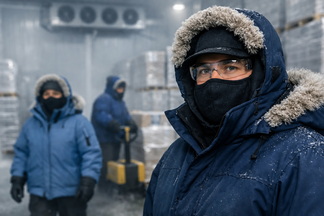
A loading dock can feel manageable at 35°F, then become a different hazard entirely once an employee steps into a -10°F freezer to pick product, scan inventory, or clear a jam. North Carolina freezer PPE must account for that change in exposure, along with the repeated transitions between warm, humid outdoor conditions, refrigerated areas, and deep-freeze rooms. For safety managers and procurement teams, the objective is not simply to buy warmer clothing. It is to keep workers protected, mobile, compliant, and able to complete the job without avoidable cold stress or lost time.
Why freezer protection requires a system
Cold-storage injuries rarely come from one dramatic event. They build through exposure: unprotected hands on frozen metal, insufficient insulation during a long pick cycle, moisture trapped against the body, or a worker who removes a glove because it makes scanning or handling cartons difficult. A freezer PPE program has to address the work, not just the temperature on the thermostat.
The first question is how cold the work zone is and how long employees remain there. A worker making five-minute trips into a 0°F room needs a different clothing system than a selector spending a full shift in a -20°F blast freezer. Activity level matters as well. Forklift operators and quality-control personnel may be relatively stationary and need more insulation. Order pickers and loaders generate more body heat, but can become chilled quickly when they stop moving, wait for product, or move onto a cold dock.
Facility conditions also change the selection. Wet floors, condensation near doorways, wind from air movement, contact with frozen product, and work at height can add risks that an insulated coat alone will not solve. The most effective approach layers purpose-built freezer wear with task-specific hand, foot, head, eye, and fall-protection equipment.
North Carolina freezer PPE: what a complete kit includes
A complete freezer kit should be built around the employee's exposure time, temperature range, work rate, and required dexterity. It should also fit correctly. Oversized insulated gear can snag on equipment or restrict footing. Gear that is too tight compresses insulation and limits circulation, reducing its ability to retain warmth.
Start with the right clothing layers
A moisture-wicking base layer helps move perspiration away from the skin. This matters for active employees who pass from ambient or refrigerated spaces into a freezer several times per shift. Cotton can retain moisture and leave a worker feeling cold after activity slows, so performance fabrics or suitable thermal layers are generally a better choice for sustained freezer work.
The insulating layer provides warmth, while the outer layer needs to stand up to abrasion, repeated use, and cold-air exposure. Freezer jackets, bib overalls, coveralls, and freezer suits are selected based on the work pattern. Bibs and jackets can be practical for crews that need flexibility between zones. Full freezer suits provide more continuous coverage in deep-freeze or long-duration work.
Temperature ratings are useful purchasing information, but they are not a substitute for evaluating the job. A garment rated for severe cold may perform differently for an active worker than for a stationary employee in moving air. Review the manufacturer's stated use conditions and size the system for the coldest routine exposure, not the best-case shift.
Protect hands without sacrificing the task
Hands are often the first place a freezer PPE program fails. Workers need insulation, grip, and enough dexterity to handle labels, scanner controls, cartons, and product safely. A bulky glove can be warm but may create handling errors or encourage employees to remove it. A thin glove may improve dexterity but provide inadequate protection during prolonged contact with frozen materials.
Use insulated freezer gloves that match the task, with grip features appropriate for dry or damp cartons, metal racking, and pallet handling. Where cut hazards are present, such as food processing, glass handling, or work around sharp packaging, cold protection must be paired with the required cut resistance. A glove's cut level, coating, liner, and insulation should be evaluated together rather than treated as separate purchasing decisions.
Keep replacement gloves available at the point of use. Gloves damaged by abrasion, torn seams, or moisture contamination should be removed from service quickly. A spare dry pair can prevent an employee from working barehanded while waiting for a replacement.
Do not overlook feet, head, and face
Cold floors pull heat from the body, especially when employees stand at a station or operate equipment for extended periods. Insulated freezer boots or overshoes should provide appropriate traction for the floor condition and enough room for thermal socks without becoming tight. Footwear also needs to meet site requirements for toe protection, slip resistance, electrical hazards, or other applicable job hazards.
Insulated headwear, balaclavas, neck gaiters, and face protection can make a meaningful difference during long exposure. The correct choice depends on whether workers must wear hard hats, safety eyewear, hearing protection, or respirators. Layers must work together. A hood that interferes with a hard hat suspension or eyewear that fogs immediately after entering a freezer can create a new safety problem.
Fogging deserves particular attention. Employees moving between warm, humid North Carolina conditions and freezer spaces may experience rapid lens fogging. Anti-fog eyewear, proper fit, and a process for allowing lenses to acclimate can improve visibility. If a task requires chemical splash protection or face shields, do not assume standard freezer eyewear provides sufficient protection for that separate hazard.
Use the hazard assessment to guide purchasing
OSHA requires employers to assess workplace hazards and provide appropriate personal protective equipment. In freezer operations, that assessment should document more than the room temperature. It should consider exposure duration, cold-contact surfaces, floor conditions, material handling, vehicle traffic, chemicals used in sanitation, noise, visibility, and emergency egress.
For example, a forklift operator may need high-visibility apparel that remains visible over insulated layers, along with freezer-rated outerwear that does not interfere with seat belts or controls. A maintenance technician entering a blast freezer may require insulated clothing plus safety eyewear, head protection, fall protection, and gloves selected for both cold and mechanical hazards. Food-processing employees may need freezer wear that supports sanitation and company hygiene protocols.
This is why a one-size-fits-all bulk order often creates waste. Standardizing core items can control cost and simplify replenishment, but employee roles should be grouped by exposure profile. A short list of approved kits for selectors, lift-truck operators, maintenance crews, dock personnel, and visitors is often more effective than issuing identical gear to every employee.
Plan for fit, rotation, and replenishment
Freezer PPE is consumable operational equipment. It needs inspection, cleaning, storage, and replacement planning. Damaged insulation, broken zippers, worn cuffs, flattened boot insulation, and compromised glove grip can reduce protection long before an item looks completely worn out.
Maintain a size run that reflects the actual workforce, including options that accommodate layering and diverse body types. New hires, seasonal labor, and temporary workers should not be left with ill-fitting gear because the right size is unavailable. Proper fit improves compliance because employees are more likely to wear equipment that lets them move, reach, drive, and complete routine tasks comfortably.
Rotation is equally important. Employees may need more than one set of gloves or outerwear when shifts involve moisture, sanitation cycles, or frequent freezer entries. Designate clean, dry storage away from direct heat sources and avoid compressing insulated garments under heavy materials. Procurement teams should track high-use items and establish reorder points before winter demand, peak shipping periods, or production increases strain inventory.
ASA, LLC supports professional buyers with freezer wear and industrial PPE designed for demanding environments, including cold-storage operations where dependable replenishment and product consistency matter.
Train crews on use, not just issue
Handing out freezer clothing is not the same as implementing a freezer safety program. Supervisors should explain when each item is required, how layers should be worn, what signs of cold stress to report, and where replacement gear is stored. Employees should know that numbness, uncontrollable shivering, confusion, loss of coordination, or unusual fatigue require prompt action and evaluation.
Training should also cover practical habits: keep gloves dry, close zippers and cuffs before entering the freezer, inspect traction before walking on cold floors, and avoid touching bare skin to frozen metal. Encourage employees to report equipment that causes restricted movement, fogging, poor grip, or discomfort. Those reports often reveal a product-selection issue before it becomes an injury or a turnover problem.
For North Carolina facilities, freezer PPE should be treated as a planned part of the cold-storage operation, not an emergency purchase after the first complaint or incident. Match the gear to the temperature, the task, and the worker's actual time in the cold, then keep the right sizes and replacements on hand. That practical discipline helps crews stay protected and keeps the operation moving when the freezer door opens.