


Jul 9th 2026
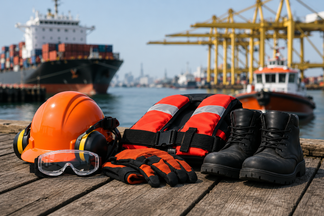
Marine Port Safety Gear Guide for PPE Buyers
A forklift crossing a wet dock apron at shift change creates a very different PPE problem than a crane tech climbing to inspect spreader equipment in salt air and high wind. That is why a marine port safety gear guide should not start with a generic checklist. Port environments stack hazards on top of each other - vehicle traffic, suspended loads, slips, changing weather, noise, line handling, chemicals, and sometimes cold exposure that reduces dexterity right when precision matters most.
For safety managers, terminal operators, and procurement teams, the real task is not buying more gear. It is matching gear to the actual work zones, exposure time, and compliance needs of each crew. Good purchasing decisions reduce injuries, support OSHA readiness, and keep cargo moving without forcing workers into PPE that slows them down or gets left in a locker.
What makes marine port PPE selection different
Marine ports are mixed-hazard workplaces. A single facility can include container handling, vessel loading, maintenance shops, fueling areas, warehousing, and refrigerated cargo operations. The PPE plan that works for a warehouse aisle often fails on an active quay because wind, spray, glare, and moving equipment change how gear performs.
Saltwater exposure is one of the biggest variables buyers underestimate. It affects metal components, shortens product life, and can turn decent gear into unreliable gear faster than expected. Fall protection hardware, eyewear coatings, glove materials, and high-visibility fabrics all need closer scrutiny in port settings than in many inland operations.
Then there is the issue of layered protection. A longshore worker may need high-visibility apparel, impact head protection, hand protection for line handling, and weather gear at the same time. If those items interfere with range of motion, grip, vision, or communication, compliance drops. The best port PPE programs account for wearability as seriously as protection level.
Marine port safety gear guide by hazard category
Head protection and impact exposure
Hard hats remain basic port PPE, but not all head protection performs the same in marine environments. Buyers should verify the appropriate ANSI designation for the work performed and consider whether workers are exposed only to top impacts or also to lateral impact risks around equipment, ladders, gangways, and ship structures.
Suspension comfort matters more than it may seem on paper. In hot and humid ports, workers adjust or remove uncomfortable helmets. Chin straps may also be necessary in high-wind areas or for climbing tasks, but they should be chosen carefully so they suit the task and do not create avoidable snag concerns around moving equipment.
Eye and face protection around glare, debris, and splash
Ports produce a mix of eye hazards: blowing grit, metal particles from maintenance, liquid splash, reflected sunlight off water, and diesel particulate exposure. Basic safety glasses may be enough for some roles, but not for all. Fog resistance, wraparound coverage, and compatibility with hearing protection and hard hats all affect whether eyewear stays on the worker.
For cutting, grinding, or chemical transfer tasks, face shields and sealed eye protection may be needed in addition to standard safety eyewear. Buyers should think in terms of task-specific issue rather than issuing one style facility-wide and assuming it will fit every exposure.
Hand protection for rope, metal, chemicals, and cold
Glove selection in ports is where many PPE programs lose effectiveness. Crews may handle wire rope, sharp-edged cargo packaging, oily mechanical parts, drums, treated lumber, or refrigerated freight during the same shift cycle. One glove rarely covers all of that well.
A practical approach is to separate glove use by job function. Line handling may require abrasion resistance and grip. Maintenance may call for cut resistance with enough dexterity for tools. Fueling or chemical transfer may require chemical resistance. Cold-chain cargo introduces another layer, because insulation helps but can also reduce finger control. If workers are scanning labels, tying off loads, or using handheld devices, overly bulky gloves create workarounds and exposure.
High-visibility apparel in moving equipment zones
High-visibility clothing is essential in container yards, intermodal areas, gate lanes, and vessel support zones where workers operate near trucks, hostlers, forklifts, cranes, and service vehicles. The garment class should fit the work environment, but buyers also need to evaluate visibility in rain, dawn light, sodium lighting, and dirty conditions.
Shorter-life economy vests may look acceptable at issue and fail fast in port service. Reflective trim performance, fabric durability, and closure design matter when crews wear the garment over rain gear, cold-weather layers, or harnesses. If apparel tears easily or loses visibility after repeated washing and exposure, replacement cycles become a budget and compliance problem.
Fall protection for elevated port work
Not every port worker needs a harness every day, but many maintenance, crane, access, and inspection tasks involve real fall risk. The wrong buying habit is treating fall protection as a commodity. In marine settings, hardware corrosion resistance, webbing durability, connector quality, and inspection routines deserve more attention.
A harness that meets standards but fits poorly will not serve the crew well. Workers climbing ladders, boarding vessels, or accessing elevated equipment need systems that allow movement without poor positioning or constant adjustment. Buyers should also confirm anchor compatibility and rescue planning. Fall arrest equipment is only one part of a working fall protection program.
Weather and environment are not side issues
Ports can swing from heat stress to wind-driven rain to cold early-morning exposure, sometimes within one shift. Weather gear should not be considered optional comfort wear. It directly affects visibility, grip, and willingness to stay fully protected.
In Gulf and Southeastern port operations, breathable rainwear can be the better choice for active crews who overheat easily. In colder regions or winter conditions, insulated outerwear and thermal hand protection may be necessary, especially for workers exposed to waterfront wind chill or refrigerated cargo areas. The trade-off is bulk. If cold-weather gear restricts movement around ladders, lashing equipment, or controls, it needs to be reevaluated.
This is also where procurement teams can gain efficiency by standardizing layered systems instead of issuing isolated items. A base layer, high-visibility outer layer, waterproof shell, and freezer-rated option for cold cargo tasks often works better than forcing one jacket to solve every weather condition.
Respiratory and hearing protection in port operations
Some port roles have limited respiratory exposure, while others involve vessel exhaust, dust, fumigation residue concerns, bulk material handling, or chemical transfer. Respirator selection depends on hazard assessment, fit testing, and written program requirements. It should not be improvised by department.
Hearing protection deserves the same attention. Cranes, ships, impact tools, engines, and container movement create sustained noise exposure across many terminal areas. The key issue is balancing attenuation with communication. Protection that blocks critical signals, radio traffic, or spotter instructions may create a different hazard. In some jobs, that means carefully selecting earmuffs, plugs, or dual protection based on measured exposure and communication demands.
Buying for compliance without buying the wrong gear
A strong marine port safety gear guide should help buyers avoid two common mistakes. The first is under-specifying gear to reduce unit cost. The second is over-specifying gear so heavily that workers reject it for comfort, dexterity, or mobility reasons.
The better method is to buy by task group. Separate your selections for dockside cargo handling, maintenance, climbing work, fueling, warehouse support, and refrigerated cargo operations. Review incident history, near-miss patterns, and replacement frequency. A glove that needs replacing every week may still be the right glove if it prevents injury and supports output. A cheaper version that workers remove after an hour is usually more expensive in the end.
It also helps to evaluate how products perform in storage and distribution. Ports often issue PPE across multiple buildings, break areas, and field cabinets. Packaging, sizing availability, reorder consistency, and speed of replenishment matter for uptime just as much as certification marks.
Questions buyers should ask before placing a port PPE order
Before approving a large order, ask where the gear will actually be worn, how long it will stay on the worker, what it must be worn with, and what usually causes replacement. Ask supervisors which items workers swap out on their own. That often reveals fit or usability problems faster than a formal audit.
It is also worth asking whether the same crew rotates between outdoor dock work and indoor warehouse or freezer environments. That kind of crossover is common in marine logistics and changes what works. ASA, LLC often supports industrial buyers who need both standard OSHA-aligned PPE and more specialized cold-weather protection, which is especially relevant for port operations tied to refrigerated storage and food logistics.
The last question is simple: will this gear still perform after exposure to moisture, grime, salt, and repeated use in a high-traffic terminal? If the answer is uncertain, the product may meet the paper requirement without meeting the job.
Port PPE purchasing works best when it is treated as an operational control, not a line-item formality. The right gear helps crews stay visible, steady-footed, protected, and productive in an environment that gives very little margin for error.