

Jun 2nd 2026
How to Prevent Heat Stress at Work
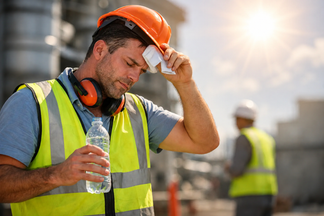
A crew can start a shift with normal output and still be one hot afternoon away from a medical event, a bad decision, or a preventable shutdown. That is why knowing how to prevent heat stress is not just a health topic - it is an operations issue. For safety managers, supervisors, and PPE buyers, the real job is building a system that keeps people productive without pushing them into dangerous exposure.
Why heat stress control fails on real jobsites
Heat stress rarely shows up as one obvious mistake. More often, it builds through a series of ordinary decisions: a rushed pre-shift, limited shade, a worker wearing task-appropriate but heat-trapping gear, or a new hire assigned full pace too soon. In warehousing, construction, food processing yards, utilities, roofing, municipal work, and heavy manufacturing, those factors stack quickly.
The challenge is that heat stress is not limited to outdoor summer work. Indoor facilities with poor airflow, radiant heat, steam, hot process equipment, or high humidity can create serious exposure even when crews are out of direct sun. A plant supervisor may think the environment is manageable because the temperature reading looks moderate, while workers on a production line are carrying a much heavier heat load because of exertion, clothing, and process heat.
That is where prevention has to move beyond reminders to drink water. It needs to account for environment, workload, job pacing, worker condition, and the protective gear required for the task.
How to prevent heat stress with layered controls
The most reliable answer to how to prevent heat stress is to use layered controls, not a single fix. Water matters, but water alone does not solve a high-heat job.
Start with the work itself. If the heaviest tasks can be moved to earlier hours, split into shorter intervals, or rotated across more workers, the heat burden drops immediately. That may affect scheduling efficiency, but the trade-off is often worth it when compared with fatigue, injury risk, and lost time incidents.
Engineering and site controls come next. Shade structures, fans, increased ventilation, cooled break areas, and reduced radiant heat exposure all help. In indoor operations, even targeted air movement at fixed stations can make a meaningful difference. In outdoor work, a shaded recovery area should not be treated as optional or too far from the task to use.
Administrative controls matter just as much. A written heat illness prevention plan gives supervisors a consistent process for monitoring conditions, adjusting work-rest cycles, and deciding when to escalate controls. The stronger plans are simple enough to use in the field and specific enough to support accountability.
Hydration is basic, but it needs structure
Most crews have heard the hydration message. The problem is that many heat-related cases still happen because hydration is handled casually.
Workers need regular access to cool drinking water close to the work area. If water is technically available but requires a long walk, workers are less likely to drink enough. Supervisors should encourage frequent intake before thirst becomes the cue. By the time a worker feels clearly thirsty, they may already be behind.
Electrolyte replacement can also matter, especially during long shifts, heavy sweating, or high-exertion work. It depends on duration and intensity. Not every task requires sports drinks or electrolyte mixes, but crews sweating heavily for extended periods may benefit from them. What should be avoided is relying on energy drinks or excessive caffeine, which can complicate hydration and heat tolerance.
Hydration planning should begin before the shift starts. Workers who arrive already dehydrated are much harder to protect once exposure begins.
Acclimatization is where many programs break down
One of the most overlooked answers to how to prevent heat stress is acclimatization. New workers, temporary labor, employees returning from time off, and workers reassigned to hotter areas are among the most vulnerable.
The body needs time to adapt to heat. That means gradually increasing exposure and workload over several days rather than expecting full output on day one. This can be difficult in high-demand operations, especially when staffing is tight. But pushing unacclimatized workers too quickly is a common setup for heat illness.
Supervisors should know who is new to the site, new to the task, or returning after absence. Those workers need closer observation and, in many cases, lighter initial assignments or more frequent breaks. A general safety orientation is not enough if it does not address heat exposure directly.
PPE can increase heat load, so selection matters
In industrial settings, the same PPE that protects against one hazard may increase heat retention. That is not a reason to scale back required protection. It is a reason to select gear carefully and plan around the added burden.
Chemical protective clothing, flame-resistant garments, high-visibility apparel, gloves, hard hats, face protection, and respiratory equipment can all affect heat buildup. The right question is not whether PPE causes heat stress. The right question is how much additional heat load the required ensemble creates and what controls are needed to offset it.
This is where buyers and safety teams need to think beyond compliance checkboxes. Breathability, garment weight, fit, moisture management, and task suitability all influence wearability. PPE that technically meets the standard but creates avoidable heat strain may lead to lower compliance in the field or reduced performance over the shift.
For some jobs, lighter-weight compliant garments or task-specific options can improve tolerance without reducing protection. For others, the hazard profile requires heavier equipment, and the answer has to be more breaks, shorter exposure windows, and stronger monitoring. There is no universal setting. The work, environment, and protection level all have to be considered together.
Training must be practical enough to use under pressure
Heat stress training often fails when it stays too general. Workers and supervisors need to recognize what heat cramps, heat exhaustion, and heat stroke look like on an actual shift, not just in a policy document.
They should know the early signs: headache, dizziness, heavy sweating, weakness, nausea, confusion, irritability, muscle cramps, and unsteady movement. They also need to understand that a worker in trouble may not self-report. Pride, production pressure, or simple confusion can delay action.
Buddy monitoring is useful because workers often notice behavior changes in a partner before a supervisor does. When someone becomes disoriented, stops sweating, appears flushed, or struggles to communicate, the situation can escalate fast. At that point, immediate response matters more than debating whether symptoms are serious enough.
Training should also tell supervisors when to stop work, when to move someone to a cooler area, and when emergency medical response is necessary. Heat stroke is a medical emergency, not a wait-and-see event.
Supervisors need a trigger for changing the plan
A heat plan is only effective if someone is actively using it. Conditions change during the day. So do crew fatigue levels, production demands, and equipment issues.
Supervisors should have a defined trigger for increasing controls, whether that is based on heat index, direct observation, workload intensity, humidity, or site-specific measurements. Some operations use formal environmental monitoring. Others rely on practical field thresholds supported by policy. Either way, the decision cannot depend on guesswork.
It also helps to document what happens on hotter days. If one loading zone, rooftop section, or processing area consistently generates complaints, extra breaks, or near misses, that is useful data. Prevention improves when teams treat heat exposure like any other recurring operational hazard and track patterns over time.
Procurement decisions affect heat safety more than many teams realize
For large employers and multi-site operations, heat prevention is not only a supervisor issue. It is also a purchasing issue.
If crews run out of cooling accessories, hydration supplies, lighter-weight high-visibility apparel, replacement sweatbands, or task-appropriate gloves, the field ends up improvising. If compliant gear is available but poorly matched to the environment, workers may alter it, remove it, or wear it inconsistently.
That is why PPE procurement should factor in season, location, task intensity, and replacement cycles. A summer program for a construction crew in Texas or municipal teams in Florida may look different from a warehouse operation in Ohio or a mixed indoor-outdoor utility crew in North Carolina. The hazard is the same, but the control strategy shifts with the work and climate.
Suppliers that understand industrial environments can help safety teams narrow down gear that supports both compliance and tolerability. ASA, LLC has worked with buyers since 2003 to source PPE for serious industrial hazards, and that kind of product-level guidance matters when heat exposure intersects with visibility, chemical, impact, or FR requirements.
How to prevent heat stress without slowing operations more than necessary
There is always a balance to manage. More breaks, slower pacing, and added controls can feel like lost productivity in the moment. But untreated heat exposure usually costs more. Fatigue drives mistakes. Mistakes lead to injuries, quality problems, equipment damage, and absenteeism.
The best heat stress programs are realistic. They do not pretend every operation can pause at peak demand. They build controls that fit the job: better shift timing, better hydration placement, more usable PPE, trained supervisors, and a plan for acclimatization and emergency response.
When those pieces are in place, crews are not relying on toughness to get through the day. They are working inside a system designed to protect them while keeping the job moving.
Hot conditions are part of the work in many industries. Heat illness should not be. The more intentional your controls are before the temperature climbs, the easier it is to protect your people when the day gets hard.