

Jul 23rd 2026
How to Outfit Robotics Technicians Safely
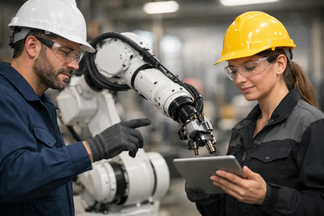
A technician stepping into a robotic cell may be troubleshooting a vision sensor one hour, replacing an end effector the next, and working beside energized control cabinets later that shift. That range of work is why how to outfit robotics technicians cannot be answered with a standard warehouse PPE kit. The right equipment must protect against the actual task while allowing the mobility, dexterity, visibility, and access needed to keep automated systems running.
For safety managers and procurement teams, the goal is not to issue the most PPE. It is to build task-based PPE requirements that support lockout/tagout procedures, electrical safety practices, machine-guarding rules, and the conditions inside the facility. A loose cuff, bulky glove, or unsuitable garment can create its own operating problem around moving equipment.
Start With the Work, Not the Job Title
“Robotics technician” covers a broad set of exposures. A technician maintaining a palletizing robot in a dry distribution center has different needs than one servicing automated assembly equipment, robotic welding cells, or a freezer-based storage and retrieval system.
Begin with a documented hazard assessment for the tasks technicians actually perform. Review planned maintenance, breakdown response, programming, sensor calibration, mechanical adjustments, battery changes, and work inside or adjacent to guarded spaces. Include the conditions that affect PPE selection: energized electrical exposure, sharp sheet metal, hot surfaces, lubricants, welding debris, overhead work, noise, cold, and wet floors.
The assessment should also identify where a technician works relative to the robot. Under a properly applied lockout/tagout procedure, the cell should be de-energized and secured before intrusive service begins. PPE supports that process but does not replace energy isolation, verified zero-energy state procedures, machine guarding, or required permits.
Separate Routine Access From Electrical Work
A common purchasing mistake is treating all technician work as one category. Routine inspection outside a safeguarded area may require safety glasses, protective footwear, and task-appropriate gloves. Electrical troubleshooting or justified energized work requires a separate electrical safety review.
Where an arc-flash hazard exists, employers should use the electrical risk assessment and applicable NFPA 70E requirements to determine arc-rated clothing and the needed face, head, hand, hearing, and body protection. Do not issue arc-rated PPE based on a guess, and do not assume a technician’s general workwear provides arc-flash protection. The required arc rating, layering approach, voltage-rated gloves, leather protectors, face shield or hood, and other equipment depend on the system and task.
Core PPE for Robotics Maintenance Teams
Most robotics environments call for a reliable baseline kit, then task-specific additions. The baseline should be durable enough for industrial maintenance yet close-fitting enough to avoid snagging on fixtures, conveyors, cables, and machinery.
Safety eyewear that stays on during detailed work
ANSI/ISEA Z87.1-compliant safety eyewear is a practical starting point for routine work around machinery. Technicians may encounter airborne dust during cleaning, metal fragments from repairs, compressed-air debris, hydraulic fluid, or an unexpected release when opening a component.
Clear lenses suit most indoor maintenance areas, while anti-fog coatings can be worthwhile for technicians moving between temperature zones or working in humid environments. For applications with splash potential, sealed goggles may be more appropriate than standard spectacles. Keep compatibility in mind: eyewear must fit correctly with respirators, face shields, hearing protection, and hard hats when those items are required.
Gloves matched to the maintenance task
Glove selection is usually the most complicated decision. Robotics technicians need tactile control for connectors, small fasteners, sensors, and teach pendants, but they may also handle sharp brackets, cut wire, move metal parts, or come into contact with oils and cleaning products.
A thin, high-dexterity coated glove may be appropriate for general mechanical work where grip and abrasion resistance matter. A higher cut-resistant glove may be needed for sheet metal, stamped components, or sharp-edged tooling. Chemical-resistant gloves should be selected by the chemical, concentration, contact duration, and breakthrough data rather than by appearance alone.
One glove rarely fits every task. Stocking a small, defined glove program is often safer and more cost-effective than forcing technicians to wear a heavy cut glove during fine electrical or programming work. Gloves also need clear rules for removal near rotating equipment or where they could become entangled.
Footwear for floors, dropped parts, and electrical conditions
Industrial safety-toe footwear helps protect against dropped tooling, robotic end-effectors, and replacement components. Slip-resistant outsoles are equally important in facilities with coolant, lubricant, water, or condensation on floors. In metal fabrication, loading, and maintenance areas, puncture resistance may add value where sharp scrap or fasteners are present.
Electrical hazards require additional care. Electrical hazard-rated footwear can be part of a protection program under the right conditions, but it is not a substitute for electrical safe work practices or voltage-rated gloves. Wet, contaminated, or damaged footwear may not provide the expected protection. Specify footwear based on the facility hazard assessment and maintain a replacement process for worn soles and damaged uppers.
Head, hearing, and face protection where the work demands it
Hard hats or bump caps should be determined by the risk of impact from overhead loads, racking, tooling, or work performed beneath elevated equipment. A bump cap is not a replacement for an ANSI-compliant hard hat when an impact hazard requires head protection.
Noise is easy to overlook in automated environments. Robot motion alone may not create excessive exposure, but pneumatic systems, conveyors, welding cells, compressors, grinders, and nearby production equipment can. Evaluate noise levels and provide hearing protection where required. For grinding, cutting, or splash hazards, use a face shield over approved safety eyewear, not in place of it.
Apparel Must Protect Without Creating an Entanglement Hazard
The best apparel for robotics technicians is clean, durable, properly fitted, and appropriate to the exposure. Avoid loose sleeves, dangling hood cords, unsecured lanyards, and oversized garments near moving machinery. Shirts, jackets, and coveralls should allow kneeling, reaching, climbing, and work in tight access areas without catching on hardware.
High-visibility apparel can be useful where technicians share aisles with forklifts, automated guided vehicles, mobile robots, and yard traffic. In those areas, ANSI/ISEA high-visibility garments support worker detection. Inside a robot cell or close to exposed moving components, the garment design still needs to be fitted and compatible with the task. Visibility does not outweigh entanglement control.
For welding robot maintenance, apparel may need flame-resistant protection based on sparks, molten metal, and hot-work exposure. For battery rooms, chemical handling, or sanitation processes, select garments that resist the specific splash or contamination hazard. Disposable apparel can help control contamination in food, pharmaceutical, and clean manufacturing operations, but it must not compromise mobility or snag safety.
Outfit Cold-Storage Robotics Teams for Temperature Transitions
Automated cold-storage facilities create a different PPE challenge. Technicians may move from a room-temperature control area into a -10°F or colder freezer, then return repeatedly during a shift. Standard insulated outerwear may not be enough when work requires prolonged troubleshooting, climbing, or fine hand movements.
Freezer-rated jackets, bib overalls, coveralls, insulated headwear, and thermal gloves should be selected for the actual temperature, wind or air movement, time in the space, and activity level. A technician standing still to diagnose a sensor loses heat faster than one walking an aisle. Layering gives supervisors more flexibility than issuing one excessively bulky garment.
Dexterity remains critical. Bulky thermal gloves can make it difficult to operate a pendant, use a meter, or handle small connectors. A practical program may provide insulated work gloves for travel and general mechanical work, plus a warmer staging area and task controls for precision work. Moisture management matters as well: damp base layers and sweat can increase cold stress after activity slows.
Build a PPE Standard That Technicians Will Use
A written PPE matrix helps convert the hazard assessment into consistent purchasing and field use. Organize it by task and area, not just by employee role. For example, the matrix can distinguish general floor inspection, lockout/tagout maintenance, energized electrical diagnostics, welding-cell repair, elevated work, chemical cleaning, and freezer entry.
Each entry should identify the required PPE, applicable performance standard, approved alternatives, and any compatibility requirements. Include replacement triggers. Scratched eyewear, oil-saturated gloves, compromised arc-rated garments, worn footwear, and damaged hard hats should not remain in service simply because the annual issue schedule has not arrived.
Training is the final control that makes the equipment effective. Technicians need to understand what each item protects against, its limits, when it must be removed, and how it works with lockout/tagout and electrical safe work practices. Supervisors should also collect feedback. If technicians routinely remove eyewear because it fogs, or bypass gloves because they cannot handle connectors, the PPE program needs adjustment rather than stricter reminders.
ASA, LLC supports industrial buyers with standards-based PPE, high-visibility apparel, hand protection, protective eyewear, and specialized freezer wear for facilities where automation and cold environments meet. For multi-site operations, standardizing approved products and sizing can simplify replenishment without losing task-specific protection.
The right robotics PPE program lets technicians focus on restoring safe, reliable production. Build it around verified hazards, fit-tested workability, and equipment that is ready before the next alarm calls a technician to the line.