


Jul 16th 2026
Geomatics Field Supervisor Safety Procedures
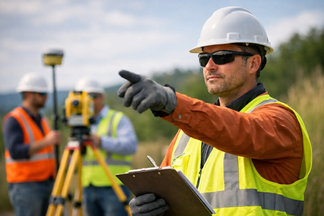
A geomatics field supervisor safety procedures plan has to work where the crew works - beside live traffic, across uneven rights-of-way, near active equipment, and sometimes far from immediate help. Surveying, GIS collection, utility locating, drone support, and construction layout may appear low-risk from a distance. In practice, field crews face a changing mix of vehicle strikes, slips and falls, heat or cold stress, overhead hazards, buried utilities, and communication gaps.
The supervisor’s job is not simply to issue PPE at the start of the day. It is to match the protection, work controls, and crew plan to the actual site conditions before work begins and adjust when conditions change. That approach protects workers, supports OSHA compliance, and prevents small field problems from becoming schedule-stopping incidents.
Start Every Shift With a Site-Specific Hazard Review
A job hazard analysis should be completed before personnel begin collecting points, setting control, marking layouts, or operating equipment. Generic safety rules are not enough when the work location changes daily. A downtown intersection, a rural transmission corridor, a warehouse roof, and an undeveloped construction site require different controls.
The supervisor should walk or visually assess the work area and discuss the day’s scope with the crew. Identify vehicle routes, equipment movement, pedestrian activity, overhead power lines, excavation edges, water hazards, unstable ground, restricted areas, and weather exposure. Confirm where workers can stage vehicles and equipment without creating a new hazard or blocking emergency access.
This review should also establish stop-work triggers. For example, crews should know when traffic conditions require a revised traffic control plan, when lightning requires work to pause, and when poor visibility makes high-visibility apparel alone insufficient. A clear decision point gives employees permission to stop and report a hazard before an incident occurs.
Confirm Communication Before Separation
Geomatics crews often spread out across a site, work beyond line of sight, or operate near other contractors. Supervisors should confirm the communication method before deployment: radio channel, phone contact, check-in interval, and escalation procedure if someone does not respond.
For remote work, identify the nearest emergency access point and confirm that crew members can describe their location accurately. Coordinates, road names, gate numbers, mile markers, and utility structure IDs can all be useful during an emergency. Cell service may be unreliable, so the plan should not assume every worker can call out from every location.
Control Traffic Exposure Before Selecting PPE
Traffic is one of the most serious hazards for field survey and geomatics personnel. Workers may be focused on instruments, grade rods, markings, tablets, or data collectors while drivers are focused elsewhere. A safety vest is necessary in many roadside settings, but it is not traffic control.
Supervisors should first reduce exposure through work positioning and traffic planning. Place vehicles to create a protective buffer where permitted, stage work away from live lanes whenever possible, and coordinate with the project owner or traffic control provider when lane closures, cones, signs, flaggers, or temporary barriers are required. Never place a worker in a roadway simply because the measurement is brief.
High-visibility apparel should be selected for the task and conditions. ANSI/ISEA-compliant high-visibility garments support visibility, but the appropriate performance class depends on vehicle speed, traffic complexity, lighting, and the worker’s proximity to moving vehicles. Garments must remain visible. Dirty, faded, covered, or poorly fitted vests can reduce the benefit of reflective material.
Workers also need task-appropriate footwear with slip-resistant outsoles, eye protection for debris or brush exposure, and head protection where construction activity, overhead work, or falling-object hazards exist. PPE is the final protective layer, not the only one.
Build Utility and Equipment Hazards Into the Work Plan
Field supervisors must treat utility exposure as a planning issue, not a surprise discovered after a stake is placed. Before driving rods, setting monuments, using hand tools, or working near excavation, confirm utility locating requirements and site procedures. Markings can be incomplete, disturbed, or difficult to interpret, particularly on active construction sites.
Overhead electrical hazards deserve the same attention. GNSS poles, range poles, tripods, and other long equipment can create a dangerous approach hazard near energized lines. Maintain required clearances, identify power lines during the pre-task review, and relocate the setup when the planned work position cannot be maintained safely.
Equipment movement is another frequent concern. Survey crews may work around excavators, loaders, haul trucks, forklifts, cranes, and automated machinery. Establish eye contact or radio confirmation with an operator before entering an equipment zone. Never assume the operator can see a worker near a blind spot, especially when a worker is crouched over an instrument or moving through a laydown area.
Match PPE to Weather, Terrain, and Duration
A field crew can experience heat, rain, wind, and cold in a single shift. The supervisor should plan PPE and work-rest practices based on exposure duration, physical exertion, and access to shelter, water, and dry replacement clothing.
For hot conditions, lightweight high-visibility apparel, sun protection, hydration access, and scheduled recovery breaks may be appropriate. Heat stress is not limited to extreme temperatures. Humidity, direct sun, heavy clothing, and physical demands can raise risk quickly. Supervisors should watch for confusion, headache, dizziness, nausea, unusual fatigue, and poor coordination.
Cold-weather work requires equal discipline. Rain or sweat trapped under insulated layers can accelerate heat loss once a worker becomes inactive. In freezing or sub-zero conditions, crews need layered garments that allow movement, insulated gloves that preserve enough dexterity for instruments and controls, and footwear suited to wet or icy ground. Spare dry gloves and outer layers can prevent a minor comfort problem from turning into cold stress.
Terrain changes the selection as well. Mud, loose aggregate, steep grades, riprap, ice, and wet vegetation increase slip and fall risk. Boots need traction appropriate to the surface, but supervisors should also consider whether the route itself is acceptable. Rerouting a crew around a slope or unstable bank is often safer and faster than trying to compensate with footwear alone.
Keep Fatigue From Becoming a Field Hazard
Geomatics work requires concentration. A tired employee can misread a data collector, lose awareness of traffic, mishandle equipment, or make poor decisions around terrain. Long travel times, early mobilization, overtime, heat, cold, and repetitive walking all contribute to fatigue.
Supervisors should plan workloads realistically, especially when crews must travel between scattered sites. Rotate demanding assignments when possible, provide appropriate breaks, and look for changes in behavior such as slowed responses, irritability, missed radio calls, or repeated errors. These are operational warning signs, not merely performance concerns.
Work alone should receive special scrutiny. Some tasks may be acceptable for a lone field worker with reliable communication and check-in controls. Others, including work near traffic, water, severe weather, remote terrain, active construction equipment, or hazardous utilities, may require a second person or a different work method. The right answer depends on the site, not on a standard staffing preference.
Document Inspections and Corrective Actions
Safety documentation should support field execution rather than become paperwork completed after the fact. Daily records can show that the supervisor reviewed hazards, inspected required PPE, confirmed crew communication, and addressed changing conditions. They also create a useful record when safety managers, project owners, or compliance teams need to understand what occurred on site.
Inspect PPE before use. Hard hats should be checked for cracks, UV damage, altered shells, and damaged suspension systems. Safety eyewear must be clean enough to provide clear vision. Gloves should fit the task and be replaced when worn, contaminated, or damaged. High-visibility garments should be removed from service when reflective tape, fluorescent background material, or closures no longer perform as intended.
When a hazard is identified, document the correction and communicate it to the affected crew. That may mean moving a setup location, obtaining additional traffic control, replacing damaged gear, changing a shift start time, or stopping work until a utility question is resolved. The corrective action matters more than the form.
Make Safety Supplies Field-Ready
Supervisors and procurement teams can reduce last-minute risk by standardizing core field kits. Each vehicle or crew should have the PPE and support supplies required for its typical exposure, with enough replacement inventory to address damaged or wet gear. For organizations operating across varied conditions, this often includes high-visibility apparel, safety eyewear, hard hats, gloves, rain gear, weather-rated outerwear, first-aid supplies, and site-specific traffic or communication equipment.
Standardization should not mean one product for every job. A crew working in a controlled warehouse environment may need a different glove, garment, and footwear approach than a crew collecting data along a highway or working in a freezer-adjacent distribution area. Procurement decisions should reflect the hazard assessment, required certifications, fit range, and expected wear cycle.
A good field safety program gives geomatics supervisors practical authority: the authority to pause work, change the plan, replace inadequate PPE, and protect the crew when conditions no longer match the original scope. When those decisions are supported with the right equipment and clear expectations, crews can stay productive without treating exposure as part of the job.