

Jul 26th 2026
Freezer Wear That Keeps Cold Storage Crews Working
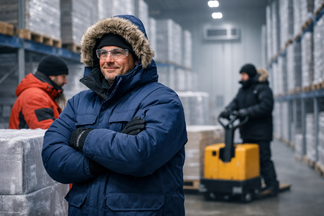
A worker loading pallets at -10°F needs different freezer wear than a picker moving between a 28°F cooler and a loading dock every few minutes. Treating both jobs as the same cold-weather hazard leads to overdressed crews, restricted movement, cold hands, moisture buildup, and avoidable downtime. Effective cold-storage PPE starts with the actual work environment, not just the lowest temperature listed on the thermostat.
For safety managers, plant supervisors, and procurement teams, the goal is to keep workers protected long enough to perform their jobs safely and accurately. That means selecting insulated apparel, gloves, footwear, and head protection that match temperature, exposure duration, physical activity, and contact hazards. It also means building a replenishment plan before worn-out gear becomes a comfort complaint, a productivity issue, or an incident.
What Freezer Wear Must Protect Against
Cold stress is not limited to severe sub-zero freezer rooms. Workers can lose heat rapidly when they are exposed to cold air, cold metal, wet conditions, airflow from evaporators, or repeated transitions between warm and cold spaces. A worker who is perspiring from active pallet movement can become chilled quickly during a stationary task such as inventory counts, scanning, or dock checks.
Freezer wear is designed to manage that combination of insulation, mobility, and durability. Depending on the role, the system may include insulated jackets, bib overalls, freezer suits, insulated coveralls, hoods, thermal gloves, insulated boots, and headwear. The right combination reduces exposure without creating new hazards such as poor visibility, snagging, reduced dexterity, or unsafe footing.
Temperature ratings are useful, but they are not a complete specification. A garment rated for very cold conditions may be appropriate for a worker spending extended time in a blast freezer, but unnecessarily bulky for a high-activity order selector making short entries into a cooler. Ratings should always be considered alongside the worker's activity level, the duration of each entry, wind or fan exposure, humidity, and whether the employee can take scheduled warm-up breaks.
Match Freezer Wear to the Job, Not the Catalog Page
A practical selection process begins by separating employees according to what they do in the cold area. Forklift operators, pallet builders, maintenance technicians, freezer pickers, sanitation crews, inventory staff, and dock personnel may work in the same facility but face very different conditions.
Forklift operators often need insulation for long periods of low movement. Their freezer apparel should maintain warmth while seated, protect the lower back and legs, and allow safe operation of controls. High-activity pickers generate more body heat and may need flexible layers that can be adjusted between assignments. Maintenance personnel may need cold protection that also accounts for cut hazards, electrical work requirements, chemical exposure, or high-visibility needs.
For procurement purposes, define the work profile before choosing products. Four details make the largest difference:
- Typical and worst-case temperature in each work zone
- Average time spent in the cold during a shift and longest continuous exposure
- Physical intensity of the task, from seated operation to frequent lifting
- Secondary hazards, including wet floors, sharp edges, machinery, chemicals, and vehicle traffic
This information helps prevent a common purchasing mistake: buying one heavy garment for every employee. A one-size approach may appear simpler, but it can increase costs and reduce compliance if workers avoid wearing gear that is too restrictive or too warm for their assigned task.
Start With a Layering System
Layering gives workers more control than a single oversized insulated garment. The base layer should move moisture away from the skin. Cotton is generally a poor choice for prolonged cold work because it retains moisture and can reduce warmth when damp. A thermal base layer made for moisture management is a better foundation for workers who sweat during active tasks.
The insulating layer provides warmth. Depending on the work zone, this may be a fleece, thermal shirt, insulated vest, or midweight jacket. The outer layer should provide durable insulation and resist cold air, abrasion, and incidental moisture. Freezer jackets, bibs, and coveralls are commonly used as the outer protective layer because they cover critical areas while standing up to repeated use around racks, pallets, and equipment.
Layering is not always necessary for every assignment. In a moderate refrigerated area, a thermal jacket and gloves may be sufficient. In a sub-zero environment with extended exposure, workers may require a complete system that includes insulated outerwear, head and neck protection, thermal gloves, and insulated safety footwear.
Protect Hands Without Sacrificing Control
Hands are often the first area where cold exposure affects job performance. Workers who cannot feel scanner buttons, operate forklift controls, grip shrink wrap, or handle packaging safely are more likely to make errors. Yet excessively thick gloves can also create handling problems.
Choose thermal gloves according to both insulation and task precision. A worker handling large cartons may need a heavily insulated, durable glove with a secure grip. A picker working with labels, handheld devices, or smaller product may need a more dexterous thermal glove. Where sharp packaging, sheet metal, knives, or equipment components are present, cold protection should be combined with the appropriate cut resistance rather than treated as a separate requirement.
Gloves must stay dry to perform as intended. Supervisors should keep replacement gloves available for employees whose gloves become wet, compressed, torn, or contaminated. A glove that was warm at the beginning of the shift can become ineffective after repeated contact with damp packaging, ice, or washdown areas.
Do Not Overlook Feet, Head, and Face
Heat loss through the head, neck, and feet can undermine an otherwise effective apparel program. Insulated boots should provide cold protection while also addressing slip resistance, toe protection, and the realities of wet or icy floor conditions. The safest option depends on the facility's floor surface, sanitation practices, equipment traffic, and required safety-toe standard.
Headwear and hoods need to work with hard hats, bump caps, hearing protection, eyewear, and respirators when those items are required. A loose hood can interfere with peripheral vision or catch on equipment. A poorly fitted knit cap can push safety eyewear out of position. Test the complete PPE combination during normal tasks, not just during a quick fitting in an office or break room.
Face coverings can be useful in severe cold, particularly where workers experience direct airflow. However, they should not interfere with communication, fog safety eyewear, compromise respirator fit, or block the worker's view. The right answer depends on the facility's existing PPE requirements and the specific cold exposure.
Fit, Condition, and Training Determine Real Protection
Freezer apparel only works when employees wear it consistently and correctly. Jackets that are too tight can compress insulation and limit range of motion. Bibs that are too long can create trip hazards. Gloves that are too large reduce control, while gloves that are too small can restrict circulation. Sizing should accommodate necessary layers underneath without making the garment loose around moving equipment.
Training should be direct and job-specific. Workers need to know when to add or remove layers, where to store gear so it stays dry, how to recognize early cold stress symptoms, and when to report damaged PPE. Numbness, tingling, excessive shivering, loss of coordination, pale skin, and unusual fatigue should be treated as warning signs, not normal parts of the job.
Inspection matters because insulation loses effectiveness over time. Compressed fill, damaged zippers, torn seams, worn cuffs, broken suspender hardware, and oil or chemical contamination can all shorten service life. Establish a regular inspection point, such as shift start or weekly issue checks, and replace damaged items before they fail during extended cold exposure.
Build a Freezer Wear Program That Supports Operations
For multi-shift cold-storage operations, purchasing individual garments only after employees report a problem is rarely efficient. A better approach is to standardize approved options by job category and temperature zone. This gives crews familiar gear, makes sizing easier, and helps procurement teams control substitutions and replenishment.
Maintain spare sizes at each facility, especially for gloves, jackets, bibs, and insulated coveralls. New hires, seasonal demand, damage, and laundering cycles can quickly create shortages. A practical program also accounts for off-shift access. If the night crew cannot obtain replacement freezer gear when it is needed, the policy is not protecting the workforce.
Documenting product specifications can also support safety reviews and purchasing consistency. Record the intended temperature range, garment construction, closure type, reflective requirements, glove grip and cut needs, footwear criteria, and any compatibility requirements with other PPE. This is especially valuable for organizations managing multiple warehouses, food-processing sites, distribution centers, or government contracts.
ASA, LLC supports industrial buyers with freezer-rated apparel and complementary PPE for cold environments where protection, availability, and operational continuity matter. The strongest results come from treating cold-weather gear as a working system, not a seasonal purchase.
The right freezer wear should let a worker focus on the pallet, the controls, the product, or the task at hand rather than the cold. When crews can move, grip, see, and stay warm through the exposure their job actually requires, safety and productivity stop competing with each other.