


Jul 4th 2026
7 Cold Chain Safety Trends That Matter Now
A freezer door opens, a pallet moves, and for a few minutes the temperature gap looks minor on paper. On the floor, that same gap can mean compromised product, icy walking surfaces, reduced glove dexterity, and a worker pushing to keep pace in conditions that wear people down fast. That is why cold chain safety trends now deserve close attention from safety managers, warehouse leaders, and procurement teams. The issue is no longer just keeping goods cold. It is keeping people protected, records defensible, and operations moving without avoidable loss.
Why cold chain safety trends are changing faster
Cold chain operations are under pressure from several directions at once. Food safety requirements remain strict, pharmaceutical handling is becoming more sensitive, and labor shortages are forcing facilities to do more with smaller teams. At the same time, many sites are adding automation, sensor networks, and tighter throughput targets.
That combination changes the safety conversation. A cold room that once relied on manual checks and general winter gear now needs freezer-rated PPE, better exposure management, and documented control over temperature excursions. Buyers are being asked to support compliance and productivity at the same time, which means product selection has to be more exact.
Smarter monitoring is replacing spot checks
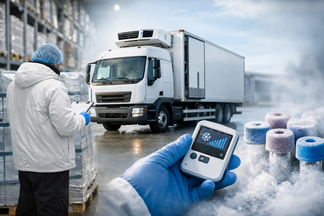
One of the clearest trends is the move from periodic inspection to continuous visibility. In cold storage, food transport, and pharmaceutical logistics, managers increasingly expect real-time temperature and humidity data instead of clipboard checks every few hours. The safety value goes beyond product integrity.
When facilities can see where temperatures fluctuate, they can also identify where frost buildup, condensation, and slip hazards are likely to develop. Door cycles, loading patterns, and equipment downtime become easier to connect to actual risk. That helps operations teams make targeted corrections instead of broad guesses.
There is a trade-off, though. More sensors create more data, and more data only helps if someone owns the response process. If alarms are frequent and thresholds are poorly set, teams start ignoring them. The better approach is to pair monitoring with clear escalation steps, maintenance accountability, and PPE planning for the zones with the greatest exposure.
PPE is getting more task-specific
In many facilities, cold-weather gear used to be selected like a general comfort item. That is changing. One of the most practical cold chain safety trends is the shift toward PPE matched to temperature range, task duration, movement level, and grip demands.
A picker making short entries into a cooler may not need the same protection as a worker staging loads in a deep freezer for hours. A forklift operator has different dexterity and visibility needs than a sanitation crew handling wet surfaces and washdown conditions. Thermal protection matters, but so do mobility, cuff style, moisture resistance, and compatibility with the rest of the PPE system.
This is where buyers often run into avoidable problems. If freezer wear is too bulky, workers remove it or wear it incorrectly. If insulated gloves are warm but reduce grip, product handling errors increase. If outerwear does not fit over high-visibility garments or other required PPE, compliance drops. Better programs are moving toward layered, hazard-specific selections rather than one standard issue for everyone.
Cold stress is being treated as a productivity risk, not just a medical one
Experienced safety leaders already know cold stress can lead to numbness, fatigue, distraction, and slower reaction time. What is changing is how organizations frame the problem. Instead of treating cold exposure as a rare health event, more employers are managing it as an operational risk with direct effects on error rates, throughput, and injury frequency.
That shift matters because it changes purchasing and policy decisions. Break schedules, warm-up areas, rotation practices, and freezer-rated apparel are easier to justify when leaders understand that cold stress contributes to damaged goods, near misses, and absenteeism. In regulated settings, it also strengthens the case for better documentation of hazard assessments and protective measures.
It still depends on the operation. A high-volume food distribution center may focus on exposure duration and slip reduction. A pharmaceutical environment may put more weight on product stability, access control, and documented chain of custody. The common thread is that worker condition is now being tied more directly to operational continuity.
Automation is reducing some exposures and creating new ones
Automation is expanding across cold chain environments, especially where labor is difficult to retain and order speed is critical. Automated storage and retrieval systems, conveyor networks, robotics, and connected equipment can reduce the amount of time workers spend in extreme cold. That is a positive trend, but it does not eliminate safety demands.
In many cases, automation shifts the exposure rather than removing it. Workers still enter cold zones for maintenance, jams, inspections, and cleanup. They may now face pinch points, restricted access paths, or more complex lockout procedures in low-temperature conditions. Battery areas, charging systems, and sensor-driven traffic patterns can also change how people move through the space.
For procurement teams, this means cold chain PPE and standard industrial safety gear need to work together. Freezer jackets, bibs, and thermal gloves may need to be selected alongside cut protection, eye protection, high-visibility apparel, head protection, and traction-focused footwear. The right answer is rarely a single product category.
Compliance expectations are getting tighter
Another major trend is the rising expectation for documented consistency. Auditors, customers, and internal quality teams want proof that temperature-sensitive environments are managed correctly and that workers are properly protected for the hazards present. That includes product-side controls, but it also includes PPE selection, training, replacement cycles, and incident follow-up.
For buyers, this raises the standard for what counts as acceptable gear. General cold-weather clothing may not be enough in freezer operations if it lacks the durability, thermal performance, or design features needed for the job. The same goes for gloves that are warm but not suitable for handling cartons, pallets, shrink wrap, or wet product.
Facilities that perform well in audits usually make procurement easier on themselves. They standardize approved options, document why those options were selected, and avoid mixing random products across departments. It is less glamorous than new technology, but it often produces better day-to-day results.
Slip prevention is getting more attention in cold environments
Temperature control gets most of the attention in cold chain discussions, but slips and falls remain one of the most immediate injury risks. Ice at dock thresholds, condensation near doorways, wet washdown areas, and frost around equipment transitions all create exposure that can be underestimated because it feels routine.
The trend here is broader hazard integration. Instead of treating cold storage as only a temperature issue, stronger programs combine freezer wear with traction planning, glove grip performance, floor maintenance, and visibility controls. A worker carrying product through a dim loading zone with stiff gloves and reduced footing is dealing with a layered hazard, not a single one.
This is also where product quality matters. Inexpensive cold-weather gear may appear cost-effective until it starts failing at seams, absorbing moisture, or wearing down at high-contact points. Buyers responsible for large teams already know that replacement frequency is a budget issue. It is also a compliance and uptime issue.
Training is becoming more practical and role-based
Many facilities are reworking training to fit actual exposure patterns instead of delivering one broad lesson on cold stress. That is a useful trend because the risks are different for selectors, drivers, mechanics, sanitation teams, and supervisors. A role-based approach helps workers understand when to change gloves, when to report numbness, how to manage transitions between zones, and how to spot early signs of equipment or floor hazards.
It also helps teams use PPE correctly. Even high-quality freezer wear underperforms if workers leave closures open, layer incorrectly, or use damaged gear beyond its service life. Training that connects fit, wear time, and task requirements tends to produce better compliance than training built only around policy language.
For multi-site operators, consistency matters. Standardizing the basics across locations while allowing for local temperature and workflow differences is usually more effective than forcing one identical program everywhere.
What buyers should watch next
The next phase of cold chain safety will likely center on integration. Monitoring systems, maintenance planning, PPE selection, and labor management are increasingly connected. Safety managers and procurement teams will be expected to justify gear choices with clearer risk logic, especially in environments where temperature-sensitive product and high-throughput labor meet.
That does not mean every facility needs the newest system or the most expensive gear. It means buyers should look closely at where injuries, product issues, and worker complaints overlap. Often the strongest improvements come from matching certified PPE more precisely to the job, tightening replacement practices, and fixing environmental problems that force workers to compensate.
ASA, LLC has seen the same pattern across cold storage and regulated industrial environments: when protection is selected for the actual exposure, crews work more confidently and operations lose less time to preventable problems. Cold chain safety is becoming more data-driven, more audited, and more task-specific. Buyers who treat it that way will be in a stronger position to protect both their people and their throughput.
The practical question is not whether cold chain operations are getting more demanding. They are. The real question is whether your current gear, training, and monitoring reflect the conditions your team faces on a normal shift, not just what looked acceptable a few years ago.