Industrial Work Gloves
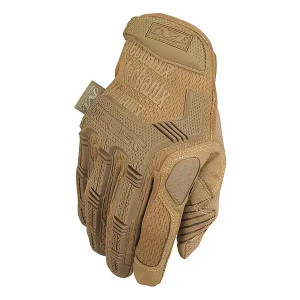
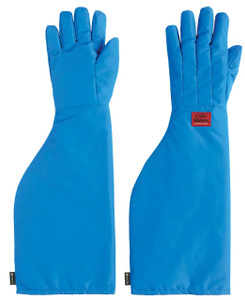
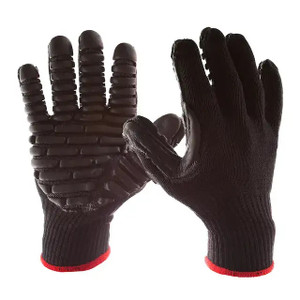
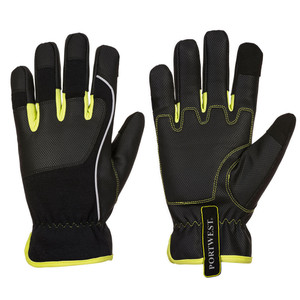
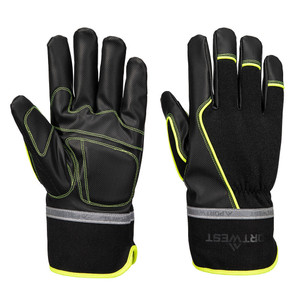
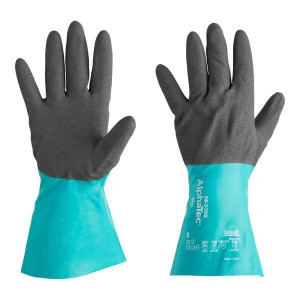
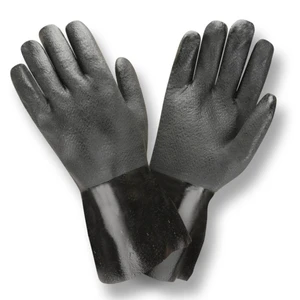
American Safety Associates, LLC, also known as ASA, LLC, supplies industrial work gloves for manufacturing, construction, warehousing, maintenance, food processing, chemical operations, utilities, government agencies, and facility PPE programs. Compare cut-resistant, chemical-resistant, impact, coated, leather, disposable, heat-resistant, and cold-weather gloves by verified performance, material, grip, cuff, size range, and unit of sale.
Select hand protection for the actual hazard and task, not by glove name alone. Consider the substance or object handled, exposure duration, required cut, puncture, abrasion or impact performance, temperature, wet or oily conditions, dexterity, cuff coverage, sizing, and compatibility with other PPE.
How should employers choose industrial work gloves?
Start with the workplace hazard assessment, then compare each glove's documented performance with the task, conditions, exposure duration, and hazards identified. OSHA 29 CFR 1910.138 requires appropriate hand protection for hazards including harmful-substance absorption, severe cuts, abrasions, punctures, chemical burns, thermal burns, and harmful temperature extremes. No single glove protects against every hazard.
Shop Work Gloves by Hazard and Task
Understand ANSI/ISEA 105 Glove Ratings
ANSI/ISEA 105-2024 provides classifications for hand-protection performance such as cut, puncture, and abrasion resistance. Ratings apply only to the hazards and test methods shown; a higher cut rating does not automatically mean better chemical, heat, impact, grip, or dexterity performance.
For cut hazards, use ASA's ANSI Cut Level Guide to understand A1 through A9 classifications, then verify the rating shown for the exact glove model and size before purchasing. Buyers searching for A4 cut-resistant gloves should still compare coating, puncture and abrasion performance, grip conditions, fit, and the task's sharp-edge exposure.
Work Glove Buying Checks for EHS and Procurement Teams
- Hazard: Identify cuts, punctures, abrasion, impact, chemicals, heat, cold, vibration, contamination, or electrical exposure before choosing a glove.
- Verified performance: Confirm the exact model's applicable ANSI/ISEA, EN, ASTM, NFPA, or manufacturer test data instead of assuming protection from a product name.
- Chemical compatibility: Check the manufacturer chart for the exact chemical, concentration, temperature, contact type, breakthrough time, and permeation data.
- Grip and coating: Match dry, wet, oily, or chemical handling conditions with a suitable palm finish and coating.
- Fit and dexterity: Confirm available sizes, finger movement, tactile needs, seams, closure, and whether workers can perform the task without removing the glove.
- Coverage: Compare wrist, knit, gauntlet, or extended cuffs and determine whether sleeves or other protective clothing must overlap.
- Unit of sale: Verify whether pricing is per pair, dozen, box, or case and confirm the quantity of each required size.
- Replacement plan: Establish inspection, cleaning, reuse, changeout, and disposal rules using employer and manufacturer guidance.
Specialized hand-protection note
General work gloves are not a substitute for properly rated electrical insulating gloves, arc-flash protection, chainsaw protection, or other task-specific PPE. Do not rely on appearance, thickness, or marketing language to determine suitability. Review the manufacturer's instructions and limitations for the exact model.
Industrial Work Gloves by Workplace
Manufacturing PPE programs may require cut, abrasion, impact, heat, chemical, or assembly gloves across different production tasks. Warehouse and logistics PPE often emphasizes grip, dexterity, abrasion resistance, scanner compatibility, and pack-level replenishment. Construction PPE may require rugged handling, impact, cut, cold-weather, or high-dexterity options.
Food-processing PPE programs should also consider facility rules, detectability, sanitation, disposable versus reusable use, and product suitability for the task. For chemical handling, review chemical-processing PPE solutions and verify glove compatibility for each substance rather than relying on a broad material claim.
Bulk Work Gloves for Crews, Facilities, and Contracts
ASA, LLC supports contractors, manufacturers, warehouses, food processors, utilities, municipalities, schools, institutions, government agencies, and multi-site safety teams with formal quotes, volume pricing, purchase-order support, size runs, case quantities, recurring replenishment, and direct-to-site delivery.
For a useful quote, provide the hazard and task, preferred brand or model if known, required performance ratings, coating and cuff preference, sizes and quantities, unit-of-sale requirement, delivery locations, deadline, and any contract or purchase-order requirements.
Industrial Work Gloves FAQ
What is the best glove for industrial work?
There is no single best industrial glove. The correct choice depends on the hazard assessment, task, exposure duration, material handled, verified performance ratings, grip conditions, fit, dexterity, cuff coverage, and compatibility with other PPE.
What do ANSI cut levels A1 through A9 mean?
ANSI cut levels classify measured cut resistance under the applicable ANSI/ISEA 105 test method. Higher levels indicate greater cut resistance in that test, but they do not establish chemical, heat, impact, puncture, grip, or overall task suitability.
Can one chemical-resistant glove protect against every chemical?
No. Glove materials perform differently against specific chemicals, mixtures, concentrations, temperatures, and contact conditions. Review manufacturer permeation and breakthrough data for the exact exposure.
Should work gloves fit tightly or loosely?
Gloves should fit securely while allowing the movement and dexterity required for the task. A poor fit can reduce grip, comfort, and consistent use. Follow the manufacturer's sizing guidance and evaluate the glove during the actual task.
What information is needed for a bulk work-glove quote?
Provide the hazard and task, required ratings, preferred material or coating, cuff style, sizes, quantity by size, pair or case requirement, delivery locations, deadline, and purchase-order or contract needs.
Primary guidance: Review OSHA 29 CFR 1910.138, OSHA's nonmandatory PPE selection guidance, and the ISEA hand-protection resource.
Need work gloves for a facility, crew, or contract?
Contact ASA, LLC for glove sourcing by hazard, rating, task, size, pack quantity, delivery location, and purchasing requirement.