


Jun 24th 2026
When Replace Freezer Workwear at Work
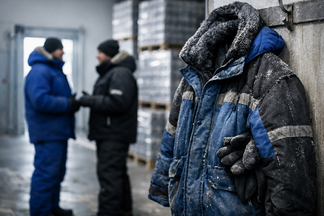
A freezer jacket can still look serviceable on the hanger and already be failing on the floor. That is usually when replace freezer workwear becomes a real safety question, not just a purchasing decision. In cold storage, food processing, logistics, and sub-zero warehouse operations, worn gear does more than look rough - it can reduce insulation, limit movement, hold moisture, and expose crews to preventable cold stress.
For safety managers and buyers, replacement timing is rarely about a fixed calendar date. It depends on temperature exposure, shift length, laundering practices, abrasion, and whether the garment still performs to the level the job requires. The right answer is operational: replace freezer workwear when it no longer delivers dependable thermal protection, visibility, fit, or compliance for the task.
When replace freezer workwear is not optional
There are cases where replacement should happen immediately, even if the garment has not been in service very long. Any tear that exposes insulation, broken closure that prevents a proper seal, damaged reflective trim on high-visibility outerwear, or soaked material that no longer dries out correctly can take a garment out of service. In a freezer environment, small failures become big ones fast.
This matters most where workers move in and out of dock areas, blast freezers, refrigerated staging zones, and outdoor loading spaces. Temperature swings and condensation create extra strain on seams, zippers, cuffs, and insulation. If gear cannot maintain warmth through a full task cycle, it is no longer doing its job.
A common mistake is treating freezer PPE like standard outerwear. It is not. Freezer bibs, insulated coveralls, thermal gloves, and sub-zero jackets are protective equipment tied directly to worker safety and operational continuity. If employees are taking extra warm-up breaks because the gear is failing, the cost of replacement is usually lower than the cost of reduced productivity and increased exposure risk.
The clearest signs it is time to replace freezer workwear
Loss of insulation is usually the first issue, even when it is not obvious from the outside. Compressed fill, cold spots in the torso or legs, and complaints that a garment "used to be warmer" are strong indicators. Insulated garments break down gradually. That makes the decline easy to miss until workers are already uncomfortable.
Visible damage matters too. Frayed cuffs, split seams, worn knees, torn pockets, and zipper failures all affect performance. In freezer environments, closures are especially important because warm air leaks out and cold air moves in at openings around the neck, wrists, and waist. A jacket with a bad zipper is not a minor defect in a 20-degree warehouse and certainly not in a -10 degrees Fahrenheit room.
Moisture retention is another replacement trigger. If freezer workwear stays damp from condensation, perspiration, or repeated wash cycles, insulation value drops. Damp gear also feels heavier, colder, and harder to wear for a full shift. This is often a hidden issue with older garments that have lost their ability to manage moisture effectively.
Fit changes should not be ignored. A garment that has shrunk, stiffened, or lost flexibility can restrict movement and create new hazards during lifting, climbing, or equipment operation. On the other side, oversized worn-out gear can snag or interfere with safe movement around conveyors, forklifts, and automated systems.
Service life depends on the work, not just the label
Buyers often want a simple answer like six months, one year, or two seasons. In practice, service life varies widely. A worker in a moderate cold room who wears insulated gear for short entries may get much longer use than a selector, forklift operator, or dock employee wearing the same category of garment for full shifts in harsh conditions.
Laundering has a major effect. Frequent industrial washing can degrade insulation, reflective materials, water resistance, and seam strength faster than many teams expect. If garments are washed aggressively or dried at improper temperatures, replacement may be needed well before the fabric looks fully worn out.
Job role also matters. Kneeling, pallet handling, contact with rough packaging, and repeated cab entry and exit all add wear points. Freezer bib overalls and jackets used in high-motion warehouse roles typically age faster than gear assigned to less physically abrasive work.
That is why replacement planning works better when tied to inspection and use patterns instead of a fixed annual assumption. Some organizations issue freezer wear on a standard cycle and still miss real failures between issue dates. Others run garments too long because they are waiting for visible damage. Neither approach is ideal.
Build inspection into your PPE process
The best way to decide when replace freezer workwear is to make inspections routine and simple enough that supervisors will actually use them. A monthly visual check is useful, but in heavy-use environments a quick weekly review can prevent failures from staying in circulation.
Start with the high-risk points: zippers, snaps, storm flaps, cuff elasticity, seam integrity, reflective areas if applicable, insulation thickness, and signs of moisture retention or odor that does not wash out. Then check function, not just appearance. Ask whether the worker stays warm for the expected exposure time and whether the gear still allows safe movement.
Employee feedback should be part of the process. Workers usually notice declining warmth before managers see visible wear. If several employees in the same area start reporting cold spots or discomfort, the issue may be garment aging, but it may also point to a mismatch between the freezer rating and the actual exposure conditions.
For larger programs, it helps to track issue dates, laundering frequency, repair history, and replacement reasons by department. That gives procurement and safety teams a more accurate picture of cost per wear and helps avoid both overbuying and under-protecting.
Repair or replace?
Some freezer workwear can be repaired, but not every repair is worth making. A minor seam issue or replaceable hardware may justify repair if the insulation, fit, and shell integrity are still solid. Once insulation is compromised, moisture management is gone, or multiple failures show up at the same time, replacement is usually the safer decision.
This is where trade-offs matter. Repair may reduce immediate spend, but if the garment returns to service with reduced thermal protection or shorter remaining life, the savings disappear quickly. For high-exposure freezer work, the threshold for replacement should be lower than it would be for standard cold-weather apparel.
Compliance is part of the decision as well. If the garment includes high-visibility features, flame resistance, or other job-specific protective elements, those features must still perform as required. A repaired jacket that no longer meets the operational need is not a cost win.
Replacement timing should match exposure risk
Not all freezer environments demand the same urgency. A distribution center with brief freezer entries may be able to rotate gear and extend service life with proper storage and drying. A cold storage operation running long shifts at sub-zero temperatures should expect a faster replacement cycle and budget accordingly.
Seasonal spikes also matter. Many operations wait until winter demand or peak inventory periods to notice shortages and garment failures. It is better to review freezer workwear before peak season, not during it. That gives teams time to replace worn items, standardize sizing, and avoid rushed substitutions that do not match the hazard.
For multi-site operations, replacement standards should be consistent, but local conditions still matter. A facility in Florida with freezer rooms can face very different condensation patterns and dock transitions than a northern distribution operation with added outdoor exposure. The core rule stays the same: replace based on protection and performance, not just age.
Buying better can reduce replacement frequency
If your team is replacing freezer workwear too often, the problem may not be employee use. It may be product selection. Garments should match the actual temperature range, exposure duration, mobility demands, and laundering realities of the site. Under-spec gear wears out faster because it is being asked to do work it was not built for.
Features like reinforced wear zones, freezer-rated insulation, durable closures, and designs built for movement can materially improve service life. So can training workers to store garments correctly, dry them fully between shifts, and report early damage before it spreads.
For procurement teams, the lowest unit price is rarely the lowest operating cost in freezer PPE. Better-performing gear often reduces replacement frequency, unplanned purchasing, and worker complaints at the same time.
Trusted suppliers with cold-storage experience can help buyers compare options based on use case rather than guesswork. ASA, LLC has supported industrial and compliant workplaces since 2003, and that kind of category depth matters when teams need freezer wear that performs in real conditions, not just on a spec sheet.
The right time to replace freezer workwear is the moment it stops protecting the worker the way the job demands. If the gear is colder, wetter, stiffer, looser, torn, or no longer reliable through a normal shift, it has already told you what to do.