

May 9th 2026
Safety Eyewear for Food Processing
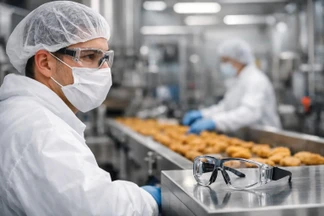
A line stoppage caused by a splash injury is expensive. So is an audit finding that workers are wearing the wrong eye protection around washdown chemicals, steam, or ingredient dust. Safety eyewear for food processing has to do more than check a box - it has to match the real hazards on the floor, stay wearable through a full shift, and hold up under sanitation demands.
In food plants, eye hazards rarely come one at a time. A worker may move from ingredient handling to washdown support, then into a chilled packing area with changing temperatures and condensation. That is why eye protection decisions should not be treated as a generic PPE purchase. The right selection depends on task, environment, cleaning methods, and how consistently crews will actually wear what they are issued.
What makes safety eyewear for food processing different
Food processing environments create a mix of risks that differ from many standard industrial settings. There is impact exposure from equipment operation and material handling, but there is also a high chance of splash, airborne particulates, humidity, and temperature swing. In some facilities, workers move between ambient production rooms, refrigerated zones, and freezer areas, which can turn a decent pair of glasses into a fogged-up problem within minutes.
Sanitation is another factor. PPE used in food operations has to support clean work practices. Eyewear with hard-to-clean crevices, poor coatings, or materials that degrade under repeated washdown and disinfecting can create replacement issues and performance loss. For safety managers and buyers, that means total cost is not just the unit price. It includes service life, worker acceptance, replacement frequency, and compliance risk.
Start with the hazard assessment, not the catalog
The best purchasing decisions begin with a task-based hazard review. OSHA requires employers to assess workplace hazards and select appropriate PPE, and eye protection should follow that same logic. In food processing, one style rarely covers every station equally well.
For example, basic safety glasses may be suitable for general packaging or light material handling where primary exposure is low-level impact. But those same glasses may be inadequate in areas with liquid splash, pressurized cleaning chemicals, or heavy dust from dry ingredients. In those cases, indirect-vent goggles or sealed eyewear may be the better fit. Face shields can add protection for high-splash tasks, but they do not replace primary eye protection.
This is where many facilities run into avoidable problems. They standardize one low-cost option across the building, then deal with fogging complaints, poor fit, or workers removing eyewear when visibility drops. A hazard assessment helps prevent that by matching protection to the job instead of forcing one product into every use case.
Key features buyers should evaluate
Lens impact rating is the baseline. For most operations, buyers should look for ANSI Z87.1-compliant eyewear to support recognized impact protection requirements. That is the floor, not the finish line.
After impact protection, fog resistance often becomes the deciding performance issue. In food environments, especially where washdown, steam, refrigeration, or freezer transitions are common, anti-fog coatings are not optional. If workers cannot see clearly, they will lift the glasses, remove them, or work around them. None of those outcomes is acceptable.
Fit also deserves more attention than it usually gets. A model that works for the front office safety committee may not work across a mixed workforce on the production floor. Nose bridge design, temple pressure, compatibility with hair coverings, hearing protection, and bump caps or hard hats all affect whether eyewear stays in place. Adjustable features can help, but they also need to be durable enough for repeated use and cleaning.
Side protection matters as well. In a processing plant, exposure does not always come straight on. Ingredient dust, cleaning spray, and particles generated during maintenance can approach from the side or below. Wraparound glasses improve coverage in many general applications, while goggles provide a more controlled seal where splash hazards are higher.
Then there is lens color. Clear lenses are standard for most indoor production settings, but not every space has the same lighting conditions. If employees move outdoors for receiving, loading, or yard work, separate tinted options may be necessary. Indoor-outdoor lenses can help in mixed-use roles, though they are not ideal for every lighting condition. It depends on how often workers transition and whether visual clarity in production areas remains strong.
Safety glasses vs. goggles in food processing
This is usually not an either-or decision across the whole facility. It is a zoning decision.
Safety glasses are often the practical choice for routine production, packaging, palletizing, and warehouse-adjacent tasks where impact and minor particulate exposure are the main concerns. They are lighter, generally better accepted by workers, and easier to wear all shift.
Goggles make more sense where splash and high moisture are present, such as sanitation, chemical handling, some mixing operations, or areas with stronger airborne irritants. The trade-off is comfort and fog control. Poorly chosen goggles can create enough visibility frustration to hurt compliance. That is why venting style, anti-fog performance, and fit testing matter.
For facilities with dedicated sanitation crews, separate eye protection by task is often the better approach. Issuing one style for production and another for washdown can improve both protection and wearability, provided storage and replacement are managed properly.
Don’t overlook cold storage and temperature transitions
In refrigerated and freezer operations, eye protection performance changes fast. Workers leaving a freezer and entering a warmer room, or the reverse, often deal with instant condensation. That affects visibility, pace, and safety around moving equipment.
For these settings, anti-fog performance should be evaluated under real operating conditions, not just product claims. Some coatings perform well in controlled environments but lose effectiveness under repeated cleaning or temperature cycling. If your facility handles frozen foods or operates adjacent cold storage, trialing eyewear in the actual work zone is worth the time.
Comfort is also different in cold environments. Eyewear has to sit properly with freezer hoods, insulated headwear, and face coverings. A pair that fits fine in ambient production may shift or pinch when worn with cold-weather PPE. For buyers managing both food processing and freezer operations, consolidating suppliers can simplify compatibility across those product categories.
Sanitation, replacement, and procurement reality
Food plants do not buy PPE once. They buy it continuously. That changes how eyewear should be evaluated.
Reusable eyewear may lower cost over time, but only if crews can clean and store it correctly without damaging coatings or contaminating clean areas. Disposable or visitor styles have their place, especially for temporary access, contractors, or low-duration tasks, but they are rarely the best answer for core production teams.
Stocking strategy matters. If workers cannot quickly replace scratched or fogged eyewear, compliance slips. If every location buys a different model, fit consistency and training get harder. Standardizing a short list of approved eyewear by hazard category usually works better than trying to support too many SKUs.
Procurement teams should also think about case quantities, replenishment speed, and whether the supplier understands regulated environments. The product itself matters, but so does the ability to keep compliant inventory on hand without delays.
Common selection mistakes
The most common mistake is buying only on price. Low-cost eyewear that scratches quickly, fogs up, or fits poorly creates more replacement and enforcement problems than it solves.
Another issue is treating all departments the same. Production, sanitation, maintenance, receiving, and cold storage do not present identical eye hazards. A single standard across every role can leave some workers underprotected and others frustrated.
A third mistake is ignoring worker feedback. Employees usually know which models slide, fog, or interfere with other PPE within a few shifts. That feedback should not replace the hazard assessment, but it should absolutely inform the final selection.
How to choose safety eyewear for food processing
A practical selection process is straightforward. Review hazards by task, define the required protection level, narrow options to compliant products, and field test the top choices with actual users. Include sanitation and maintenance teams in the trial, not just production staff. They often face the highest splash and visibility challenges.
Then look at the full operating picture: compatibility with other PPE, cleaning demands, replacement cycle, and purchasing efficiency. For organizations buying at scale, the best result is usually not the cheapest pair. It is the model lineup that keeps wear rates high, supports audits, and reduces avoidable incidents.
ASA, LLC has worked with industrial buyers since 2003, and that kind of selection discipline is what keeps PPE programs effective over time. In food processing, eye protection is not a minor line item. It is part of keeping operations moving, keeping teams protected, and keeping compliance from turning into a scramble.
If you are reviewing your current program, start on the floor where the complaints happen. The right eyewear choice usually becomes obvious once you watch the job, the environment, and the way workers actually have to see through both.