


Posted by Freddy Pineda on May 13th 2026
Insulated Gloves for Freezer Work That Perform
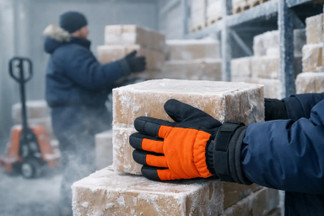
A picker misses one case on the top rack, pulls off a glove to fix the label, and suddenly the real problem is not speed - it is cold stress, reduced grip, and a higher chance of injury. That is how glove selection fails in freezer environments. Insulated gloves for freezer work are not a comfort upgrade. They are a control measure that affects safety, throughput, and whether workers can keep handling product accurately at sub-zero temperatures.
For safety managers and operations buyers, the challenge is rarely finding a glove that looks warm. The harder part is finding one that stays functional through repetitive handling, pallet movement, scanner use, moisture exposure, and long shifts in cold storage. A glove can have thick insulation and still be the wrong choice if workers lose dexterity, drop cases, or remove it every few minutes to complete basic tasks.
What insulated gloves for freezer work need to do
Freezer gloves have a narrow job description, but they need to do it well. They must protect against cold without creating new hazards. In real operations, that means balancing insulation, grip, fit, cuff design, durability, and task compatibility.
Cold protection is the first requirement, but it is not the only one. Workers handling shrink-wrapped cartons, metal racking, plastic totes, or cold chain packaging need enough tactility to maintain control. If the glove is too bulky, hand fatigue increases and workers compensate by gripping harder. If the palm loses traction in frost or condensation, product handling gets slower and less safe.
Moisture also changes the equation. Some freezer tasks involve dry ambient cold, while others involve intermittent exposure to wet surfaces, loading docks, or condensation when moving between zones. In those environments, insulation alone is not enough. The outer shell and palm coating matter because moisture can reduce thermal performance fast.
Why standard winter gloves often fail in cold storage
A common purchasing mistake is treating freezer work like outdoor winter work. The conditions overlap, but the work pattern is different. Outdoor cold weather gloves may be acceptable for short-duration exposure, but freezer crews often work in controlled low temperatures for repeated intervals with constant hand use.
Standard winter gloves can fall short in three ways. First, they may not provide consistent insulation when compressed during gripping and lifting. Second, they often lack the palm materials needed for secure handling on slick cartons and plastic. Third, they may not hold up under industrial wear, especially where workers handle pallets, rack edges, and packaging straps throughout the shift.
That is why freezer-specific gloves should be evaluated as work equipment, not seasonal apparel. The right pair supports task performance. The wrong pair slows the line, increases glove removal, and creates avoidable exposure.
How to evaluate insulated gloves for freezer work
The best buying decisions start with the actual task, not the catalog description. A glove that works well for forklift operators doing intermittent exposure may not work for order selectors, loaders, food processing staff, or maintenance teams inside freezers.
Match insulation to exposure time and temperature
Start with the temperature range and the amount of time workers spend inside the freezer. Brief entries into a 0°F room call for a different glove than prolonged work in sub-zero storage or blast freezing conditions. More insulation is not automatically better. For detailed tasks, too much bulk can cause workers to remove the gloves, which defeats the purpose.
For long-duration exposure, look for thermal protection designed for sustained cold rather than light winter use. If crews move between freezer interiors and loading areas, evaluate how the glove performs across both environments. Temperature transitions can create condensation and make some glove materials less effective.
Look closely at grip performance
Grip is one of the most overlooked factors in insulated glove selection. In a freezer, poor grip means slower picking, dropped inventory, and more strain on hands and forearms. Palm coatings and textured surfaces help, but the right choice depends on what the worker is handling.
Cartons, plastic wrap, waxed boxes, and frozen packaging all behave differently. A glove that grips well on corrugate may not perform the same on smooth plastic or icy surfaces. If your operation has multiple handling conditions, test gloves against the actual materials workers touch every day.
Do not sacrifice dexterity for warmth
Dexterity complaints usually show up fast. Workers cannot operate scanner triggers, peel labels, adjust straps, or manage small components if the glove is too stiff or oversized. That leads to slower cycle times and more bare-hand exposure.
A better approach is to choose the highest level of insulation that still allows routine motions. Some jobs may require a primary freezer glove for general handling and a second, more dexterous option for finer tasks. It depends on whether the workflow is uniform or split across different duties.
Check cuff length and wrist coverage
Cold air finds gaps. If jacket sleeves ride up or gloves end too low at the wrist, insulation performance drops quickly. For freezer crews reaching, lifting, and stacking, cuff design matters more than many buyers expect.
Longer cuffs can improve protection, especially when paired with freezer jackets or coveralls. At the same time, very bulky cuffs can interfere with sleeves or make gloves harder to put on and remove during busy shifts. The best choice is the one that integrates cleanly with the rest of the cold-weather PPE system.
Consider durability as part of safety
In freezer operations, worn gloves are not just a replacement issue. They become a safety issue when seams split, insulation packs down, or palm surfaces lose grip. Buyers should look at abrasion resistance, stitching quality, reinforcement in high-wear zones, and how the glove holds up under repetitive material handling.
Bulk pricing matters, but low unit cost does not help if crews burn through gloves too quickly. A more durable glove often reduces replacement frequency, improves consistency across the team, and makes inventory planning easier.
Common freezer tasks and the glove features they require
Different roles inside the same facility can need different glove profiles. Order selectors usually need a mix of warmth, grip, and scanner-friendly dexterity. Forklift operators may need less bulk in the fingers and stronger grip on controls, with enough insulation for intermittent exits and manual handling. Loaders working around docks and transitions may need protection against both cold and moisture.
Food processing environments can add sanitation requirements and more frequent glove changes, which affects how practical a heavy insulated glove really is. Maintenance staff may need gloves that protect against cold while still allowing tool use. In each case, the glove should be selected for the task path, not just the freezer temperature.
Fit problems cause more issues than buyers expect
A freezer glove that technically meets the need on paper can still fail if the sizing is off. Gloves that are too tight restrict circulation and can make hands feel colder sooner. Gloves that are too loose reduce control and increase hand fatigue.
For team purchases, size range and fit consistency are procurement issues, not just user preferences. If workers cannot get a secure fit across the crew, usage drops and complaints rise. It is worth standardizing trial sizes before placing larger orders, especially for multi-site operations.
Compliance and documentation still matter
Cold protection is often treated as a comfort category until an injury, complaint, or audit puts attention back on PPE selection. For regulated environments, glove choice should align with the facility hazard assessment and the actual exposure conditions workers face.
That does not mean every freezer glove needs the same specification. It means the selection should be intentional, documented, and defensible. Buyers should look for clear product information, application guidance, and consistency in supply so approved PPE does not keep changing with every reorder. For organizations managing OSHA readiness, that stability matters.
As a specialized industrial safety supplier, ASA, LLC works with buyers who need freezer PPE that supports both worker protection and operational continuity. That is usually the real goal - not simply buying gloves, but reducing the friction that bad glove choices create across the shift.
When it makes sense to test before standardizing
If your operation has high turnover, multiple freezer zones, or several job types under one roof, field testing is usually worth the time. A short wear trial can reveal issues that product specs do not show, such as grip loss after condensation, reduced scanner use, or worker resistance to cuff style.
The test should be practical. Put candidate gloves on the actual tasks, in the actual temperature ranges, with the actual packaging and equipment your crew handles. Ask where workers remove the gloves, where they lose grip, and whether the insulation still feels effective late in the shift. That feedback usually points to the right standard faster than buying by description alone.
The best insulated gloves for freezer work are the ones workers keep on because they can still do the job. If the glove protects against cold, maintains grip, fits the task, and holds up under daily wear, it is doing what freezer PPE is supposed to do - protect hands without slowing the operation.