


Jun 17th 2026
Industrial Freezer Clothing Guide for Buyers
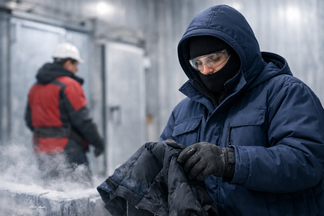
A worker can last only minutes in a blast freezer before the wrong gear starts affecting grip, movement, and judgment. That is why an industrial freezer clothing guide matters to more than comfort. For safety managers, warehouse leaders, and procurement teams, the right freezer wear helps control injury risk, maintain throughput, and keep crews productive in spaces that run from 0°F down to -50°F.
Freezer apparel is often treated like a simple insulated jacket purchase. In practice, it is a system decision. Temperature, exposure time, worker activity, moisture, traffic patterns, food safety expectations, and compatibility with other PPE all affect what will actually perform on the floor.
What an industrial freezer clothing guide should solve
A useful industrial freezer clothing guide should answer one question clearly: what does this crew need to work safely without losing mobility or compliance? That means looking beyond garment labels and focusing on the actual operating environment.
A picker moving constantly in a 0°F warehouse does not need the same insulation package as a maintenance technician standing near a dock door in wind and intermittent moisture. A forklift operator seated for long periods loses body heat differently than a worker hand-stacking product. When buyers standardize one freezer outfit for every role, they often end up over-insulating active workers and under-protecting stationary ones.
That mismatch has consequences. Overheating can lead workers to unzip jackets, remove gloves, or skip layers. Under-protection can reduce dexterity, slow scanning and handling, and increase the likelihood of cold stress. The right program balances warmth with task performance.
Start with temperature, exposure, and work rate
The first screen is simple: how cold is the space, how long are workers in it, and how physically active are they while inside? Those three factors shape nearly every clothing choice.
For short entries into coolers or refrigerated zones, a lighter insulated jacket may be enough. For continuous work in sub-zero storage or blast freezing, buyers usually need a more complete system that includes insulated outerwear, thermal hand protection, head coverage, and freezer-rated footwear. If workers move in and out of ambient zones, they may also need layers that can be adjusted without disrupting production.
Work rate matters more than many buyers expect. High-motion jobs generate body heat, but sweat becomes a risk if garments trap moisture. Low-motion jobs demand higher insulation because workers cool down faster. The best selection process looks at temperature and task together, not separately.
Core freezer clothing categories that matter
Outerwear does the obvious work, but complete protection depends on how the full kit functions together. Insulated freezer jackets and bib overalls are common because they protect the torso and legs while keeping movement manageable. For colder conditions or longer exposures, full freezer suits may make more sense, especially when crews need consistent coverage and simplified issue control.
Thermal gloves are just as important as outerwear. Hand protection needs to preserve warmth while allowing workers to grip cartons, controls, tools, or scanners. Thick insulation without usable dexterity often leads to noncompliance on the floor. In many facilities, buyers need multiple glove options by task rather than one standard glove for every employee.
Head and neck protection are frequently underbought. Significant heat loss happens at the head, and exposed ears or neck skin become a problem quickly in sub-zero spaces. Insulated caps, balaclavas, or hard hat-compatible liners can close that gap without interfering with required head protection.
Footwear is another common weak point. Cold floors pull heat fast, especially in standing or slow-moving roles. Freezer-rated boots or insulated overshoes should be selected for both thermal performance and slip resistance. If workers are on wet transitions between dock and freezer, traction becomes part of the cold-protection decision.
Fit is a safety issue, not a comfort issue
Poor fit creates both cold exposure and operational problems. If jackets ride up while workers reach, if bibs bind when climbing on equipment, or if gloves are too bulky for controls, crews will work around the PPE instead of with it.
Freezer clothing should allow enough room for base layers without becoming oversized. Compression reduces the insulating value of many materials, but excess bulk can limit visibility and movement. This is especially important for forklift operators, order pickers, maintenance staff, and mixed-task teams that bend, twist, climb, or handle documentation and scanning devices.
Sizing consistency matters for procurement as well. If a program includes multiple facilities or seasonal hiring, standardized fit guidance helps reduce returns, delays, and employee dissatisfaction. Buyers should expect sizing charts, product-specific fit details, and support for outfitting at scale.
Materials and construction make a real difference
Not all insulated garments perform the same, even when they appear similar in photos or product summaries. The shell fabric, insulation type, seam construction, closures, and cuff design all affect real-world performance.
Durable outer shells matter in environments with pallet contact, conveyor edges, dock equipment, and frequent abrasion. Reinforced stress points can extend service life and reduce replacement frequency. Water-resistant surfaces help when workers pass through damp loading areas or encounter condensation around doors and transitions.
Cuffs, storm flaps, and high collars help control air intrusion. That may sound minor, but small openings are often where workers feel cold first. A garment that looks warm on paper can underperform if cold air moves easily through sleeves, waist openings, or zipper areas.
This is also where buyers should think about maintenance. If garments are difficult to clean, hold moisture, or break down under repeated use, the lower upfront cost may not hold over time. For operations managing large teams, durability and replacement cycles affect total program cost as much as unit price.
Compliance and hazard compatibility
Freezer wear should never be purchased in isolation from the rest of the PPE program. In many facilities, workers need cold protection alongside high-visibility apparel, hard hats, cut-resistant gloves, safety footwear, or chemical protective gear depending on the task and area.
That means compatibility matters. High-visibility freezer jackets may be necessary around vehicle traffic or active dock zones. Hard hat liners must work with required head protection. Gloves used in cold rooms may still need appropriate grip or cut protection if workers handle packaging materials, blades, or metal edges.
OSHA expects employers to assess hazards and provide suitable PPE. For freezer operations, that means the clothing selection should reflect actual exposure conditions and task-related risks, not just generic cold-weather assumptions. Buyers should document why specific garment types are used in specific zones. That supports both audit readiness and more defensible purchasing decisions.
Common buying mistakes in freezer clothing
The most common mistake is buying for temperature only. A -20°F room sounds like the whole story, but exposure duration, moisture, and worker activity often determine whether gear succeeds or fails.
The second mistake is treating all workers the same. Shipping personnel, QA staff, sanitation teams, forklift operators, and maintenance technicians can all enter the same freezer while needing different protection packages. Role-based selection usually performs better than one-size-fits-all standardization.
Another issue is underestimating glove and footwear performance. Buyers often spend most of the budget on jackets and bibs, then compromise on hands and feet. In actual use, complaints and productivity loss often start there first.
Finally, some teams buy only for winter demand. Industrial freezer environments are year-round hazards. Replenishment planning should reflect turnover, wear rates, new hires, and damaged gear replacement in every season.
How to evaluate freezer clothing before a bulk purchase
A strong buying process combines specification review with floor-level feedback. Start by mapping work zones by temperature band and exposure duration. Then separate job functions by movement level and dexterity needs.
From there, test garments in live conditions if possible. Ask workers whether they can scan, grip, climb, sit, bend, and layer properly. Pay attention to where they report cold first and whether they remove gear mid-shift. Those details tell you more than a simple statement that a coat is warm.
Procurement teams should also review durability, cleaning expectations, replacement intervals, and size availability. If you are supporting multiple sites or seasonal staffing, inventory continuity matters. A dependable industrial supplier with depth in freezer wear can reduce the disruption that comes from style changes or inconsistent stock. ASA, LLC has built much of its reputation around helping buyers solve exactly that kind of cold-storage PPE problem.
Building a better freezer wear program
The best freezer clothing programs are not built around a single item. They are built around exposure profiles, job tasks, and repeat purchasing reality. That usually means establishing approved clothing combinations for different temperature ranges and roles, with clear rules for outerwear, gloves, head coverage, and footwear.
It also means reviewing the program after implementation. If workers are modifying garments, borrowing gear across roles, or requesting replacement too early, something in the selection may be off. Small adjustments in fit, insulation level, or glove style can improve both compliance and productivity.
When freezer clothing is chosen well, crews do not talk about it much. They stay warm enough to work, mobile enough to do the job, and protected enough to maintain standards. That is the real benchmark buyers should use when selecting gear for cold environments.