

Jun 20th 2026
Chemical Splash Protection Guide for PPE Buyers
A face shield that fogs up, gloves that soften after one task, sleeves that gap when a worker reaches overhead - that is how a routine chemical handling job turns into an incident review. A strong chemical splash protection guide starts with a basic reality: splash hazards are rarely managed by one item alone. They are controlled by matching the chemical, the task, and the exposure route to a complete PPE system.
For safety managers, plant supervisors, and procurement teams, that means looking past generic "chemical resistant" claims. Splash protection depends on contact time, concentration, temperature, spray pressure, and whether the hazard is limited to incidental contact or likely to hit the face, torso, arms, and lower body. The right selection keeps crews protected without creating heat stress, mobility issues, or unnecessary purchasing costs.
What chemical splash protection actually covers
Chemical splash protection is designed for liquid contact, not every chemical hazard category. That distinction matters. A worker transferring acids from a drum to a process vessel may need protection against splashes and drips, while a worker entering an atmosphere with vapor or unknown concentrations may require a much higher level of chemical protective clothing and respiratory protection.
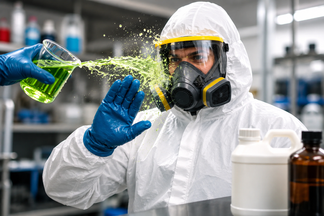
In practical terms, splash protection focuses on preventing liquid chemicals from reaching the skin, eyes, and regular work clothing. This usually includes chemical-resistant gloves, aprons, sleeves, coveralls or suits, boots or boot covers, and eye and face protection. In some applications, respiratory protection is also part of the system, but it should never be assumed from the garment selection alone.
A common purchasing mistake is treating all wet processes the same. Diluted cleaning chemicals used in sanitation are not the same as concentrated corrosives, solvents, or oxidizers used in manufacturing, utilities, lab support, maintenance, or waste handling. The hazard level changes the garment choice.
A chemical splash protection guide starts with the task, not the catalog
Before comparing materials or ordering by part number, define the exposure. This is where many PPE programs get better results with less waste. Start with what the employee is doing, how often the task occurs, how the chemical is handled, and what part of the body is most likely to be exposed.
For example, filling, mixing, dosing, line breaking, washdown, and sampling all create different splash patterns. A drum unloading station may create lower-body and torso exposure. Overhead transfer points may put the neck, shoulders, and face at greater risk. Maintenance shutdown work often introduces unpredictable residual chemical contact, which usually argues for broader coverage than routine production tasks.
This step also helps determine whether reusable protection makes sense or if disposable chemical protective clothing is more practical. In high-volume operations, reusable garments may reduce long-term cost, but only if decontamination, inspection, and storage are handled correctly. If they are not, disposable options may support better consistency.
Material selection is where protection is won or lost
No single glove or garment material resists every chemical. That is why chemical resistance charts, manufacturer permeation data, and task-specific assessment matter so much. Nitrile, neoprene, PVC, butyl, natural rubber, and multilayer barrier materials each have strengths and limits.
Acids and caustics may perform well with certain materials that fail quickly against solvents. Lightweight disposable coveralls may help with nuisance splashes in some applications, but they are not interchangeable with garments designed for aggressive liquid chemicals. The phrase "chemical resistant" by itself is not enough to support a selection decision.
Temperature also changes performance. A chemical that appears manageable at room temperature may permeate more quickly when heated. Likewise, abrasion from repetitive work, kneeling, sharp edges, or contact with pallets and equipment can reduce the protective value of otherwise suitable clothing. In active facilities, durability is not a side issue. It directly affects protection.
Gloves deserve special attention because hand exposure is often the first and most frequent point of contact. Cuff length, thickness, grip, dexterity, and lining all matter. A glove with excellent resistance but poor grip during wet handling can increase spill risk. A thicker glove may improve breakthrough time but reduce the worker's ability to complete a precise task safely. The best choice is usually a balance, not the most expensive option on the shelf.
Eye, face, and body protection need to work as one system
A splash event rarely stays contained to one area. That is why piecemeal PPE programs create gaps. Safety glasses may protect against minor droplets, but chemical splash goggles are often the better choice when liquids can reach the eyes from the front or side. When a larger volume or forceful splash is possible, a face shield should be added over primary eye protection rather than used alone.
The same logic applies to clothing. An apron may be enough for controlled bench work or wash stations where the torso takes the main exposure. For transfer operations, batch mixing, or maintenance tasks with moving lines and fittings, full-body coverage is often more appropriate. Sleeve-to-glove and pant-to-boot interfaces should be checked during movement, not just while standing still.
This is where fit becomes a safety issue, not just a comfort issue. If a suit is too tight, it can pull open closures and restrict motion. If it is too loose, it can snag on equipment or leave excess material that interferes with work. Procurement teams buying in volume should account for size ranges that match the actual workforce, not a limited standard run that forces bad substitutions.
Compliance matters, but it does not replace hazard assessment
OSHA expects employers to assess workplace hazards and select PPE accordingly. That means compliance starts with the assessment, training, and documented selection process, not simply buying products labeled for chemical use. Standards and manufacturer claims are important, but they should support the decision, not replace it.
For buyers managing multiple departments or sites, consistency helps. Standardizing approved PPE by task category can simplify replenishment and training. Still, standardization should not flatten important differences between areas like sanitation, chemical storage, wastewater treatment, maintenance, and production. One approved chemical suit program may not fit every operation in the building.
Training is another area where good programs separate from weak ones. Workers need to know what the PPE protects against, how to inspect it, how to don and doff it without contamination, and when it must be replaced. If teams do not understand breakthrough, degradation, seam failure, or contamination transfer, even high-quality PPE can fail in use.
Common selection mistakes that create avoidable risk
One of the most common mistakes is buying by general category instead of by chemical and task. Another is assuming a heavier garment is always better. Extra thickness can improve resistance, but it can also increase heat burden, reduce mobility, and lower compliance if workers avoid wearing it correctly.
A second problem is overlooking adjacent hazards. Chemical splash work often occurs around slip hazards, sharp edges, cold environments, powered equipment, or areas where visibility matters. The PPE system should account for the whole job. If a worker handling chemicals in a refrigerated area needs insulated hand protection, the chemical resistance and thermal requirement have to be considered together.
A third issue is failing to plan for replacement and stocking. If the right gloves or splash suits are unavailable at the point of use, teams will substitute whatever is nearby. That is not just a purchasing inconvenience. It is a predictable failure point. Reliable supply, size availability, and clear approved alternatives are part of the protection program.
Building a better purchasing process for chemical splash PPE
The strongest PPE purchasing programs are usually the least reactive. They collect SDS information, review task exposures with operations and EHS leaders, validate compatibility with manufacturers, and then build a stocked assortment around real use patterns. That reduces emergency buying, unsupported substitutions, and end-user frustration.
For facilities buying across departments, it helps to group products by exposure level and task type. You may need one glove platform for general chemical handling, another for aggressive solvent exposure, and a different garment approach for sanitation crews versus maintenance shutdown teams. This creates control without overcomplicating replenishment.
It also pays to review incidents and near misses with the same discipline used for other operational failures. If a worker reports sleeve exposure while reaching into a tote or splash intrusion at the wrist, that is useful selection data. PPE programs improve faster when they are treated as operational systems rather than one-time purchases.
ASA, LLC works with buyers who need that kind of practical alignment between hazard, compliance, and day-to-day product performance. The goal is not to buy more PPE. It is to buy the right PPE for the work actually being done.
The best chemical splash protection decisions are usually made before the next task starts - at the point where hazard assessment, worker movement, material compatibility, and stocking discipline all meet. That is where protection becomes reliable instead of hopeful.