

May 21st 2026
Bulk PPE for Warehouses That Holds Up
A warehouse rarely has just one hazard to solve. The same shift can move from pallet handling to battery charging, from dock traffic to freezer storage, and from carton cutting to chemical cleanup. That is why bulk PPE for warehouses needs to be planned by task, not just purchased by unit price. If the gear does not match the work, buying in volume only scales the problem.
For warehouse managers, safety managers, and procurement teams, the real goal is straightforward: keep workers protected, stay audit-ready, and avoid stockouts that interrupt operations. The challenge is that warehouse PPE demand is uneven. Gloves disappear faster than expected, safety glasses get damaged, seasonal temperature swings change apparel needs, and a single new process can alter hazard exposure across an entire shift.
What bulk PPE for warehouses actually includes
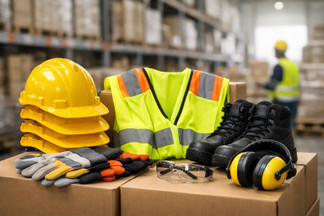
In most facilities, warehouse PPE starts with the categories used every day: hand protection, eye protection, high-visibility apparel, head protection, and hearing protection where required. Depending on the operation, it can also include respiratory protection, chemical protective clothing, fall protection, and cold-weather or freezer wear.
The right mix depends on the warehouse environment. A general distribution center may lean heavily on cut-resistant gloves, high-visibility vests, and safety eyewear. A food distribution operation may add insulated outerwear for cold rooms, waterproof gloves, beard covers, and items tied to sanitation protocols. A battery room or chemical handling area may require face shields, chemical-resistant gloves, aprons, and eyewash support products. A facility with elevated maintenance work may need harnesses and lanyards for specific tasks, even if most warehouse staff never use them.
This is where many bulk orders go wrong. Buyers treat PPE as one category, when in practice it behaves more like several separate programs. Consumables, reusable gear, seasonal items, and task-specific equipment need different ordering logic.
Start with hazards, not the catalog
A bulk purchasing strategy works best when it follows the facility hazard assessment. That sounds obvious, but it is often skipped in favor of ordering what the site bought last year. That approach can leave gaps if staffing levels changed, new SKUs were introduced, mezzanine traffic increased, or freezer exposure expanded.
Start by mapping PPE to actual tasks and zones. Receiving may need different glove coatings than order picking. Forklift operators may need high-visibility garments that stay visible around dock doors and trailer yards. Workers breaking down pallets and cutting wrap may need cut protection that balances dexterity with blade resistance. Sanitation crews may need chemical splash protection that is entirely different from what the rest of the building uses.
Once that mapping is done, bulk ordering becomes more accurate. You are no longer buying a general supply of gloves or glasses. You are buying the right protection levels, in the right quantities, for the right jobs.
The cost question: cheap PPE is often expensive
Unit price matters, especially for large facilities and multi-site operations. But warehouse buyers usually feel the hidden cost of poor PPE long before they see any savings. Gloves that wear out too quickly drive replacement frequency up. Eyewear that fogs in cold environments gets removed. High-visibility apparel with poor sizing compliance sits on shelves while crews request different models. Lower-cost freezer gear that fails in sub-zero conditions can affect both worker comfort and productivity.
The better approach is to look at total use cost. A glove that costs more but lasts twice as long may be the better bulk buy. A freezer jacket that holds up through repeated cold exposure and wash cycles may reduce replacement headaches over a season. PPE that employees will actually wear consistently has operational value that a simple price comparison misses.
There is always a trade-off. Not every role needs premium gear. Visitors, temporary tasks, and low-exposure work areas may justify a more economical option. Core warehouse roles with daily exposure usually do not.
Sizing, standardization, and why warehouse programs break down
Bulk PPE programs often fail for a simple reason: the order was large, but the size curve was wrong. Warehouses employ diverse workforces, and one-size assumptions create waste. Too many mediums and not enough XXL cold-weather jackets can slow onboarding and create daily frustration.
Sizing matters even more in freezer and cold-storage operations. Layering changes fit. Gloves may need to work with liners. Bib overalls and freezer suits need to allow movement without creating snag risk. If workers cannot bend, grip, or scan comfortably, productivity drops and PPE compliance tends to follow.
Standardization helps, but only up to a point. It makes sense to reduce SKU sprawl where tasks are similar and replacement is frequent. It does not make sense to force one glove style across jobs with different cut, grip, or temperature demands. The practical middle ground is to standardize by task family instead of by building-wide preference.
Bulk PPE for warehouses with cold storage exposure
Cold storage changes the PPE conversation. Standard warehouse gear is not enough when teams spend time in refrigerated rooms, freezer docks, or deep-freeze environments. Exposure time, temperature range, activity level, and transition frequency all matter.
A worker moving in and out of a 0 degree area has different needs than a worker stationed for long periods in environments that push far below zero. Insulated jackets alone may not be enough. Freezer bibs, thermal gloves, insulated headwear, freezer suits, and slip-conscious footwear become part of the protection strategy. Dexterity also becomes a serious concern. If thermal gloves are too bulky for scanners or picking tasks, employees may remove them, which defeats the point of issuing them.
This is one area where a specialized industrial supplier adds real value. ASA, LLC has built much of its reputation around freezer PPE and cold-storage protection, which matters when buyers need more than generic winter wear. For warehouse operations handling frozen food, pharmaceutical cold chain, or temperature-controlled logistics, the difference between cold-weather apparel and true freezer-rated gear is not minor.
Procurement planning that supports uptime
Buying in bulk should reduce friction, not create a storage problem. The strongest warehouse PPE programs usually separate inventory into three lanes: fast-moving consumables, scheduled replacement items, and contingency stock. Gloves, vests, and glasses often belong in the first lane. Hard hats, freezer outerwear, and face shields may sit in the second. Emergency splash gear, respirator cartridges, or incident-response supplies may fit the third.
This structure helps buyers avoid two common mistakes. The first is overbuying slow-moving items that tie up budget and shelf space. The second is underbuying essentials that disappear during peak periods, severe weather, or staffing surges.
For multi-location operations, consistency matters even more. A centralized specification with local usage tracking usually works better than letting each site improvise. That does not mean every warehouse should be identical. It means equivalent hazards should have equivalent protection standards, even if quantities vary by site.
Compliance still has to lead the decision
Warehouse PPE decisions should support OSHA compliance and align with the relevant performance standards for the product category. That means ANSI-rated high-visibility apparel where vehicle traffic is a factor, proper eye and face protection for impact or splash hazards, and glove selection based on the actual risks involved rather than broad labels alone.
Compliance is not just about passing an inspection. It also protects the buyer. When PPE is selected based on documented hazards and recognized standards, it is easier to justify purchasing decisions, train crews properly, and respond if an incident occurs.
That is another reason broad, low-detail buying can create trouble. If a product is cheaper but not suited to the hazard, the apparent savings disappear quickly. For regulated workplaces and institutional buyers, the specification matters as much as the quantity.
What to look for in a bulk PPE supplier
Warehouse buyers usually need more than a low quote. They need dependable fill rates, clear product specifications, size availability, and support when usage changes fast. If the supplier cannot keep core PPE categories available, the burden shifts back to the facility in the form of substitutions, delays, and rushed reorders.
Category depth also matters. Warehouses with mixed hazards often want to consolidate purchasing across gloves, eyewear, hi-vis, hard hats, respirators, chemical protection, and cold-storage gear. That simplifies procurement and can improve consistency. It also helps when the supplier understands industrial use cases well enough to recommend products based on exposure, not just category labels.
A good bulk partner should make purchasing easier for the people managing risk and budgets at the same time. That means practical support, not sales language.
The best warehouse PPE programs are rarely the cheapest on paper. They are the ones that keep crews equipped, reduce avoidable replacements, fit the real hazards of the facility, and hold up when operations get busy. If you are reviewing your next bulk order, start with where the work is hardest on people and build from there.