

Jun 28th 2026
Best Safety Gear for Wireline Crews
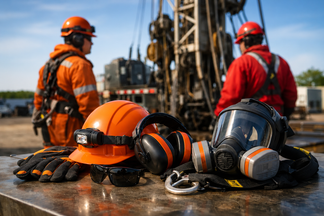
Wireline work gets risky fast when crews move from planning to pulling, splicing, boring, tower access, or roadside installation. The best safety gear for wireline crews is not a generic PPE bundle. It is a hazard-matched system built around cut exposure, electrical risk, struck-by hazards, falls, weather, visibility, and the constant wear that comes with field service.
For safety managers and procurement teams, that distinction matters. Buying gear by category alone can leave gaps between what a standard requires and what the job actually demands. A wireline crew may handle underground cable one day, work in traffic control zones the next, and perform aerial or structured cabling tasks after that. The right PPE program has to hold up across changing conditions without slowing the crew down or creating compliance headaches.
What the best safety gear for wireline crews needs to cover
Wireline crews do not face one signature hazard. They face several at once. Hand injuries are common because cable, hardware, tools, and enclosures all create cut, pinch, and abrasion exposure. Eye injuries can come from dust, shards, or tensioned line movement. Head protection matters around overhead drops, buckets, ladders, lifts, and active construction areas. Add traffic, weather, arc-rated needs in some environments, and fall exposure for elevated work, and the gear selection becomes more technical than many buyers first expect.
That is why the best approach starts with task mapping. If crews are trenching and pulling line underground, the hand and boot requirements may carry more weight than fall protection. If they are working poles, lifts, rooftops, or tower-adjacent areas, harness compatibility and chin-strap-ready head protection may become more important. If they are building out sites in summer heat or winter wind, the clothing system needs to support both visibility and endurance.
Head protection should match the work zone
A hard hat is basic, but not every hard hat is the right one. For ground crews in active construction or utility-adjacent environments, ANSI-compliant head protection is the starting point. From there, the selection depends on impact type, climbing needs, accessory compatibility, and electrical exposure.
For crews working near energized systems or in environments where incidental electrical contact is a concern, Class E protection may be appropriate. For aerial work, helmets with secure fit systems and chin straps can perform better than traditional cap-style hard hats, especially when workers are looking up, climbing, or moving between positions. Accessory slots for face shields, hearing protection, or lamps can also improve usability if the crew regularly shifts between tasks.
Comfort matters more than some buyers realize. If the suspension is poor or the shell traps too much heat, workers adjust the fit or remove the gear when they should not. Reliable wearability is part of real protection.
Hand protection is where wireline buyers should spend more time
If one PPE category deserves extra scrutiny, it is gloves. Wireline crews handle cable, fish tape, metal edges, tie wire, fasteners, hand tools, pulling equipment, and enclosures. A glove that protects well against abrasion may not provide enough dexterity for terminations or testing. A glove that feels great for fine work may wear out too quickly in the field.
The better buying strategy is to match gloves to the task instead of forcing one style across every crew activity. Cut-resistant gloves are often the baseline for cable handling and rough installation work. Depending on the environment, buyers may need to balance ANSI cut levels with grip, touchscreen capability, coating type, and all-day comfort. Sandy, nitrile, or polyurethane palm coatings each perform differently in wet, dry, and oily conditions.
Cold-weather jobs add another layer. Insulated gloves can protect against low temperatures, but bulk can reduce tool control. In some cases, a layered glove strategy makes more sense than a single heavy glove. For example, crews may need one option for active cable handling and another for stop-and-start outdoor work in colder months. This is one area where an industrial supplier with freezer and cold-condition PPE experience can help narrow the field quickly.
Eye and face protection cannot be an afterthought
Wireline jobs create more eye hazards than many mixed-use crews account for. Dust from drilling or trenching, particles from cutting or fastening, line tension, and flying debris around roadside or construction activity all make safety eyewear mandatory.
For most crews, ANSI-rated safety glasses with anti-fog treatment are the practical minimum. If workers move between outdoor glare and shaded areas, lens color and coating selection matter. Clear lenses are common, but indoor-outdoor mirror or lightly tinted options may improve actual wear compliance in changing light. When grinding, cutting, or high-debris tasks enter the scope, a face shield may be needed in addition to safety glasses rather than instead of them.
Fit is the issue that often gets missed. Eyewear that slides, fogs, or interferes with hearing protection gets pushed up or taken off. The spec sheet matters, but field acceptance matters too.
High-visibility and FR apparel depend on the jobsite
Clothing for wireline crews has to do more than identify personnel. It has to support visibility, movement, weather protection, and in some cases flame resistance. For roadside, municipal, and active vehicle environments, ANSI/ISEA-compliant high-visibility apparel is usually the first requirement. The class level should match the work zone and exposure.
Not every wireline job needs FR clothing, but some do. If crews work in utility, energy, telecom power environments, or around equipment where flash-fire or arc exposure is part of the hazard assessment, standard hi-vis alone is not enough. Buyers may need FR hi-vis garments that meet both visibility and thermal hazard requirements. That usually increases cost, so it should be driven by documented exposure, not assumption.
Weather also changes what works. Lightweight moisture-wicking shirts may be right for summer installs in the Southeast, while insulated outerwear becomes necessary for winter field work farther north. The key is to avoid bulky outer layers that defeat harness fit, snag easily, or hide reflective striping.
Fall protection for elevated wireline work
When wireline crews work from lifts, ladders, rooftops, poles, or elevated structures, fall protection moves from background requirement to frontline control. The harness itself is only part of the system. Buyers need to think about anchorage, connector compatibility, lanyard type, inspection routines, and rescue planning.
A general-purpose harness may be fine for occasional elevated work, but crews who spend real time off the ground often need better mobility, padding, and adjustment. Poorly fitted harnesses reduce productivity and raise the chance of misuse. Shock-absorbing lanyards, self-retracting lifelines, and positioning equipment all have different use cases, and the wrong choice can create either unnecessary restriction or inadequate control.
This is one of the clearest it-depends categories in PPE buying. Aerial construction and wireless site builds do not always require the same setup as indoor structured cabling or bucket-assisted installation.
Boots need traction, support, and jobsite realism
Boot selection tends to get oversimplified into toe type, but wireline work asks more from footwear. Crews may walk uneven ground, climb in and out of trenches, work in wet grass, move across gravel, stand for long hours, or step through mud and debris. Slip resistance, ankle support, puncture resistance, and waterproofing can be just as important as a safety toe.
For some crews, composite toe boots are preferred to reduce weight and avoid temperature transfer. For others, traditional protective toe options may still make sense. Electrical hazard ratings may also be necessary depending on the work environment. As with gloves, one boot does not fit every crew profile.
Hearing, respiratory, and weather PPE matter when conditions change
These categories are sometimes treated as secondary, but they can quickly become mandatory. Hearing protection may be needed around generators, compressors, saws, vac systems, or traffic-heavy roadside work. Respiratory protection may come into play during dust-generating tasks, confined utility spaces, or jobs involving insulation, concrete dust, or other airborne contaminants. Those decisions should be tied to exposure assessment and OSHA requirements, not habit.
Rain gear and cold-weather layers also deserve more attention than they usually get. Wet, cold crews lose focus, grip strength, and pace. Outerwear should protect without restricting climbing, kneeling, bending, or access to tool belts and harnesses. In colder regions or winter deployments, insulated gloves, thermal base layers, and freezer-rated outerwear may be necessary for sustained outdoor performance.
How buyers can build a better wireline PPE program
The best safety gear for wireline crews is usually not one brand across every category. It is a kit built around the real tasks crews perform, the standards that apply, and the replacement cycle the operation can sustain. A reliable program starts by separating common work profiles such as underground installation, aerial work, traffic-exposed service, indoor structured cabling, and cold-weather deployment.
From there, standardize what can be standardized and stay flexible where fit or task variation matters. Head, eye, and hi-vis requirements can often be tightly specified. Gloves, boots, and weather layers usually need approved options rather than a single SKU. That balance helps procurement control spend without forcing workers into gear that does not fit the job.
ASA, LLC has supported industrial buyers since 2003 with compliant PPE programs built around real work conditions, not generic checklists. For wireline crews, that means selecting equipment that protects against the hazards actually present while keeping teams productive in the field.
The right gear should make a crew safer without making the work harder. If a product looks compliant on paper but fails in heat, mud, cold, or daily wear, it is the wrong product for the job.