


Jun 6th 2026
Best Freezer Jackets for Workers
A jacket that feels warm at the loading dock can fail fast inside a 0°F freezer, and the gap matters. When buyers compare the best freezer jackets for workers, the real question is not style or brand recognition. It is whether the jacket keeps crews protected, mobile, and productive through repeated exposure, shift after shift, without creating new problems like restricted movement, moisture buildup, or premature wear.
For safety managers, warehouse leads, and procurement teams, freezer outerwear is a performance decision tied directly to uptime and injury prevention. A poor jacket choice can lead to cold stress, reduced dexterity, slower picking, and more frequent replacement cycles. A good one supports the work, fits the environment, and holds up under the abuse that cold-storage operations routinely deliver.
What separates the best freezer jackets for workers
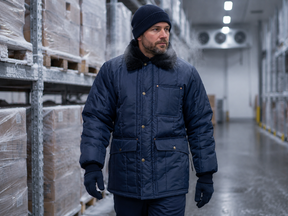
The best freezer jackets for workers are built for industrial cold, not occasional winter weather. That distinction is where many purchasing mistakes begin. A consumer winter coat may feel heavy and insulated, but freezer work places different demands on seams, shell material, cuffs, closure systems, and overall durability.
A true freezer jacket needs to manage prolonged exposure to sub-zero temperatures while still allowing workers to lift, reach, bend, drive equipment, and handle product. That means insulation alone is not enough. The shell has to resist tearing and abrasion around pallet contact, rack edges, and constant movement in confined spaces. The jacket also needs construction features that reduce cold air intrusion at the neck, wrists, and waist.
This is also where job role matters. A selector moving continuously through a frozen aisle has different needs than a forklift operator seated for long periods. The active worker may benefit from a jacket that balances warmth with breathability and range of motion. The seated operator often needs more retained insulation and longer coverage because body heat drops more quickly with reduced movement.
Start with the temperature and exposure time
Before comparing models, define the operating conditions clearly. Not every cold room is the same, and not every shift exposes workers in the same way. Some teams spend brief intervals in a freezer and return to ambient warehouse temperatures. Others work most of the shift in a deep-freeze environment where temperatures can reach well below zero.
That is why freezer jacket selection should begin with three basic factors: actual temperature range, average exposure duration, and activity level. If a facility runs around 0°F, the jacket requirements may differ from operations in blast freezers or environments approaching -20°F or lower. The longer the exposure window, the less margin for compromise on insulation quality and coverage.
Humidity, airflow, and transitions also matter. Workers moving repeatedly between cold and warmer zones can build up moisture inside the garment. If that moisture does not dissipate effectively, the jacket can feel clammy and colder over time. In facilities with strong air movement or frequent door openings, wind-resistant shell construction becomes more important than many buyers first assume.
Insulation matters, but mobility matters too
The most common mistake in freezer wear purchasing is assuming thicker always means better. Extra bulk can help in very low temperatures, but it can also interfere with task performance. If a worker cannot rotate comfortably, reach overhead, or operate controls safely, the jacket may technically be warm but still functionally wrong for the job.
The best approach is to match insulation level to work intensity. Highly active workers often perform better in jackets that provide strong thermal protection without excessive bulk. Ergonomic sleeves, underarm mobility, and flexible panel construction can make a measurable difference in productivity. For less active roles, a heavier insulated jacket may be the better call because warmth retention becomes the priority.
Layering strategy should be considered at the same time. A freezer jacket is rarely the entire system. Base layers, insulated bibs, gloves, and head protection all affect how the jacket performs. If the facility already requires thermal layering underneath, the jacket should be sized and cut to accommodate that without becoming restrictive.
Features that hold up in real freezer operations
When evaluating freezer jackets, look closely at the construction details that affect long-term performance. Surface-level descriptions like heavy-duty or insulated are not enough for industrial purchasing.
A durable outer shell is essential in environments where jackets rub against pallets, carton edges, conveyors, and equipment. Reinforced stitching and strong seam construction help prevent early failure, especially at high-stress points like shoulders, elbows, and pocket entries. Rib-knit cuffs or storm cuffs can improve heat retention, but they should also be durable enough for repeated use.
Closure design matters more than it gets credit for. Heavy-duty front zippers, storm flaps, and secure snap or hook-and-loop systems help keep cold air out during movement. A collar that protects the neck without interfering with visibility is often a better operational choice than oversized designs that bunch up under other PPE.
Pockets are another trade-off area. Workers need storage, but poorly placed or lightly insulated pockets can become cold spots. Hand-warmer pockets may add comfort for some roles, but for many industrial settings, secure utility pockets and easy access while gloved are more useful.
Fit, sizing, and compatibility with other PPE
Even the best insulation package will underperform if the fit is wrong. A freezer jacket that is too tight compresses insulating layers and limits movement. One that is too loose can allow excess air exchange and snag on equipment or materials.
Buyers outfitting teams across multiple roles should pay close attention to sizing consistency and cut. This is especially important for bulk programs where workers may be layered differently across departments. A good industrial freezer jacket should allow room for thermal base layers while maintaining a clean enough profile for active work.
PPE compatibility is another practical checkpoint. Jackets must work alongside hard hats, high-visibility requirements, gloves, and sometimes respiratory or hearing protection. In food processing and regulated environments, garment selection may also need to align with facility hygiene rules, color-coding systems, or specific material requirements.
Compliance and hazard context cannot be ignored
Freezer conditions are the headline hazard, but they are rarely the only one. Many workers in cold-storage and related operations also face low visibility, slip risks, traffic exposure, or contact with moving equipment. The best jacket for one site may be the wrong choice for another because the surrounding hazards differ.
For example, if workers operate around vehicle traffic or low-light dock areas, high-visibility freezer jackets may be necessary. In some operations, reflective striping and ANSI/ISEA-compliant outerwear are not optional extras. They are part of the risk control strategy. In regulated settings, buyers should also confirm whether any site-specific standards or customer requirements apply to freezer wear.
This is where category expertise matters. A jacket should not be selected in isolation from the rest of the PPE program. It has to support the complete work environment, not just the temperature.
How buyers can evaluate the best freezer jackets for workers
A practical evaluation process usually reveals more than product copy ever will. Start by reviewing the actual job tasks by role, not by department name alone. A cold-storage picker, maintenance technician, dock worker, and forklift operator may all enter the same freezer, but their jacket needs can vary materially.
Next, assess failure points from current gear. If workers complain that cuffs wear out, zippers fail, or shoulders restrict movement, those details should guide the next purchase. Replacement history is often the clearest indicator of where a jacket line is underperforming.
It also helps to run a controlled wear test with a small group before placing a larger order. Ask workers about warmth, mobility, ease of layering, closure performance with gloves, and comfort during temperature transitions. Supervisors should also track whether the jackets affect pace, compliance, or task execution. The best product on paper is not always the best product on the floor.
For multi-site buyers, standardization has value, but only to a point. If one facility operates at 0°F and another runs significantly colder with longer exposure cycles, a single jacket program may create compromises. Sometimes a two-tier freezer wear approach is the better operational decision.
Procurement value is more than unit price
The lowest-cost jacket is rarely the lowest-cost program. Buyers should evaluate total value in terms of wear life, worker acceptance, replacement frequency, and the impact on productivity. If a cheaper jacket needs to be replaced twice as often or workers avoid wearing it correctly because it is stiff or uncomfortable, the savings disappear quickly.
Consistency of supply matters too. Freezer gear is not a category where stockouts are a minor inconvenience. Delays in replenishment can affect staffing readiness, especially during seasonal volume spikes or onboarding periods. For organizations managing multiple facilities, it helps to work with a supplier that understands freezer PPE as an operational category, not just another apparel line item. ASA, LLC has built that focus around serious cold-storage and sub-zero work environments where performance and continuity both matter.
The right freezer jacket does more than keep a worker warm. It supports safer movement, steadier output, and fewer disruptions when conditions are least forgiving. If you are choosing gear for a team, the best decision is usually the one that matches the actual work, the actual temperature, and the actual wear pattern instead of the broadest product claim.